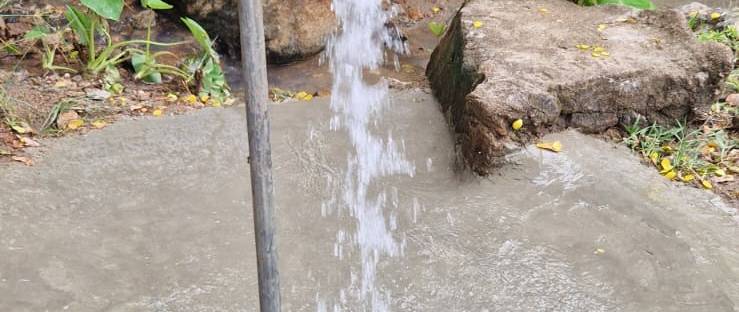
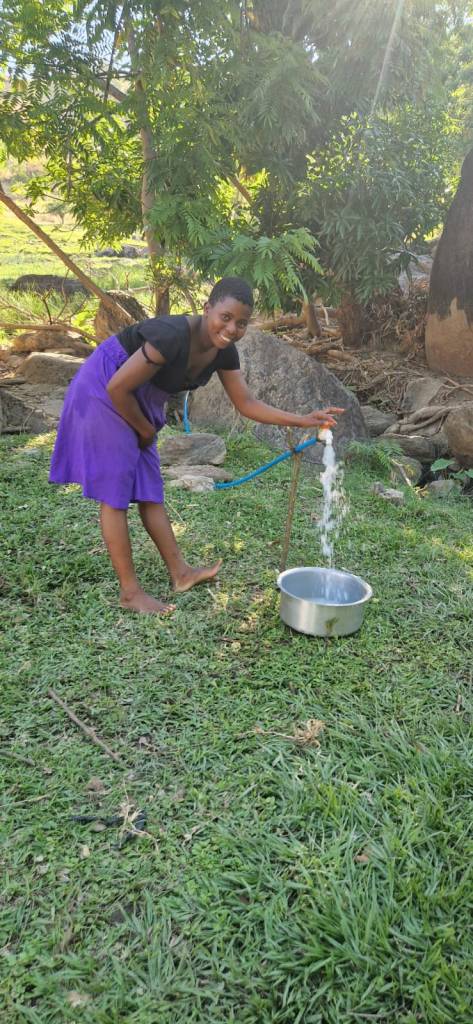
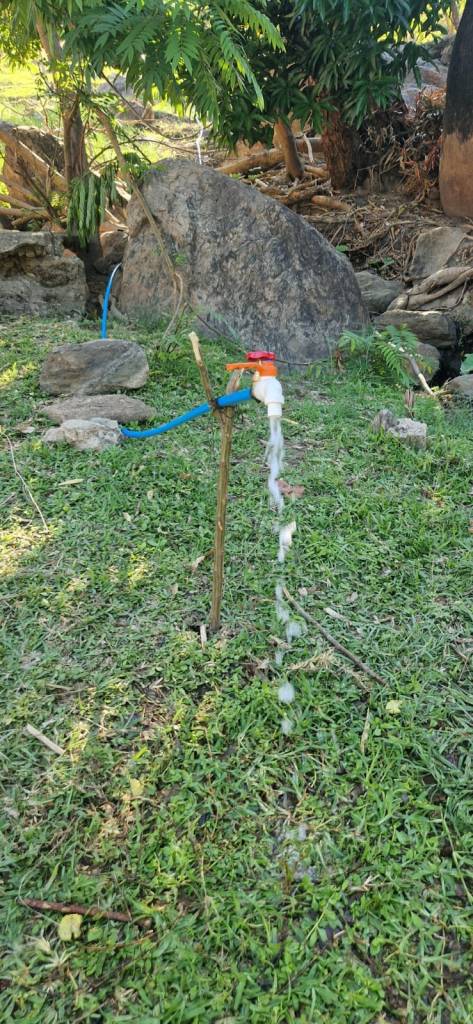
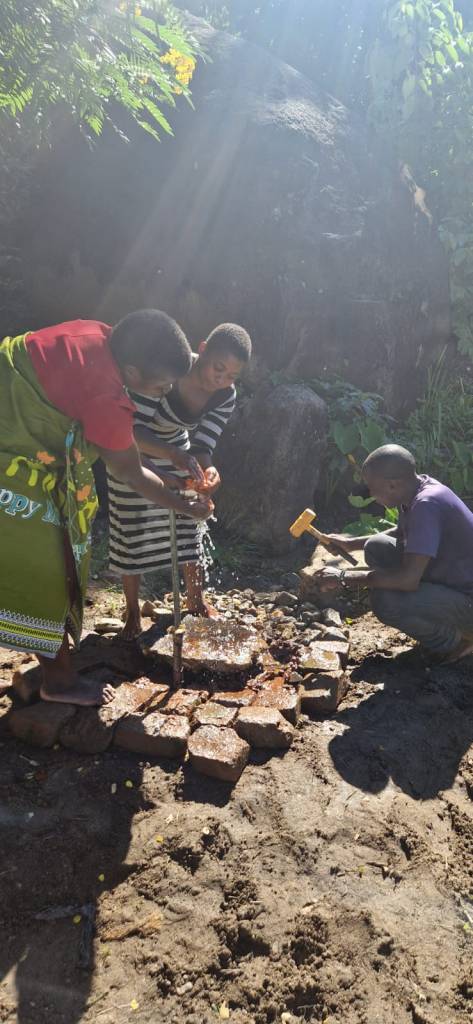
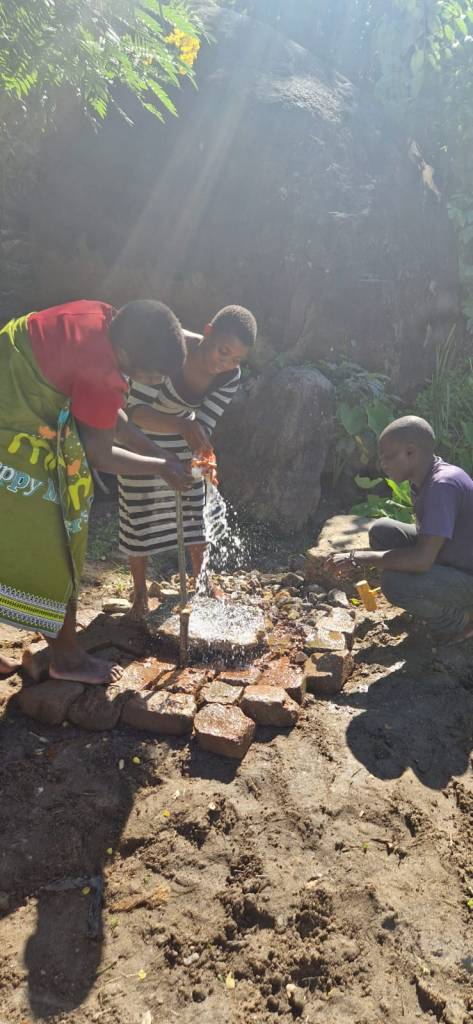
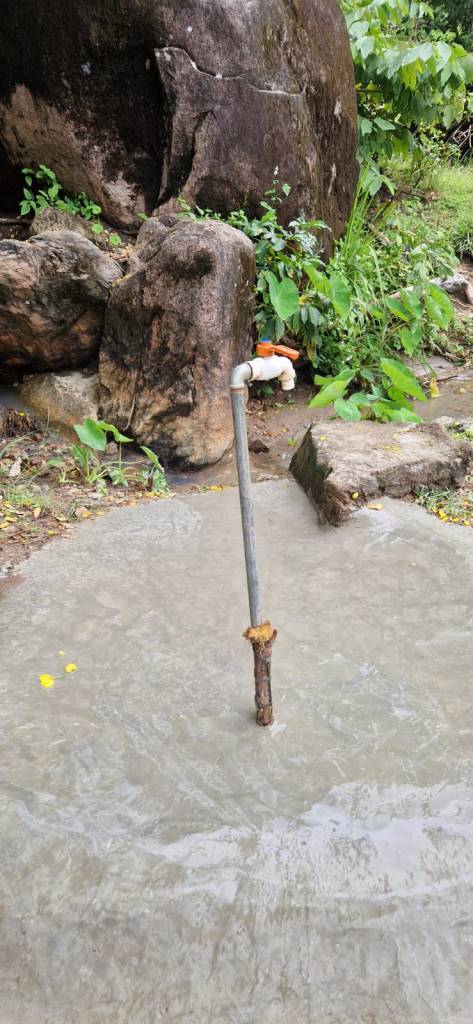
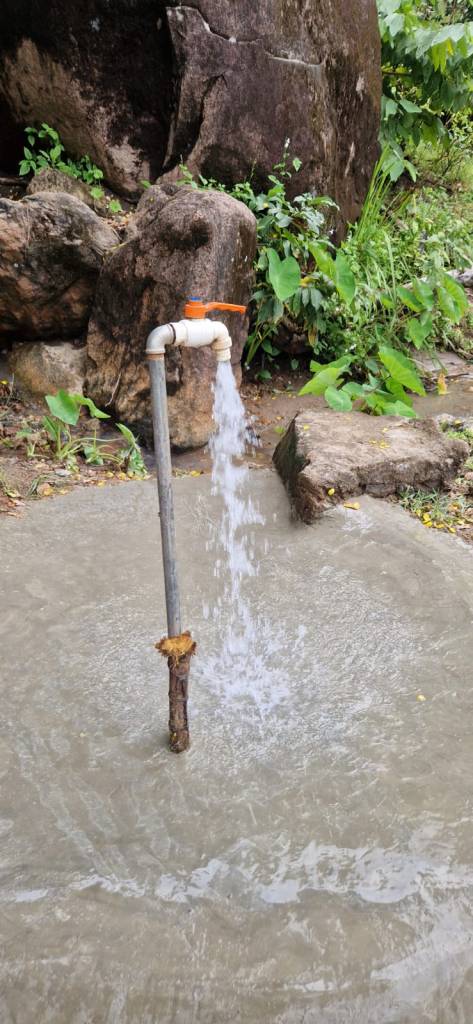
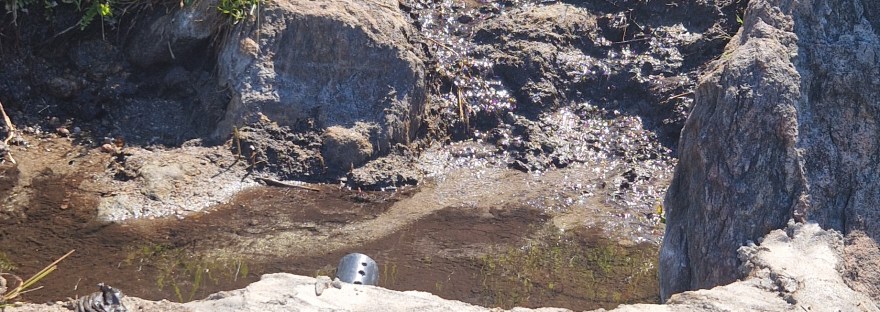
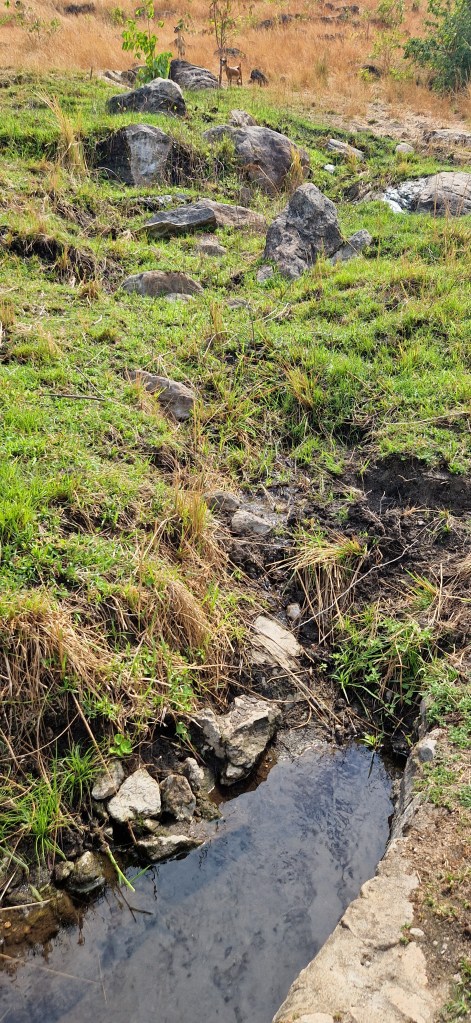
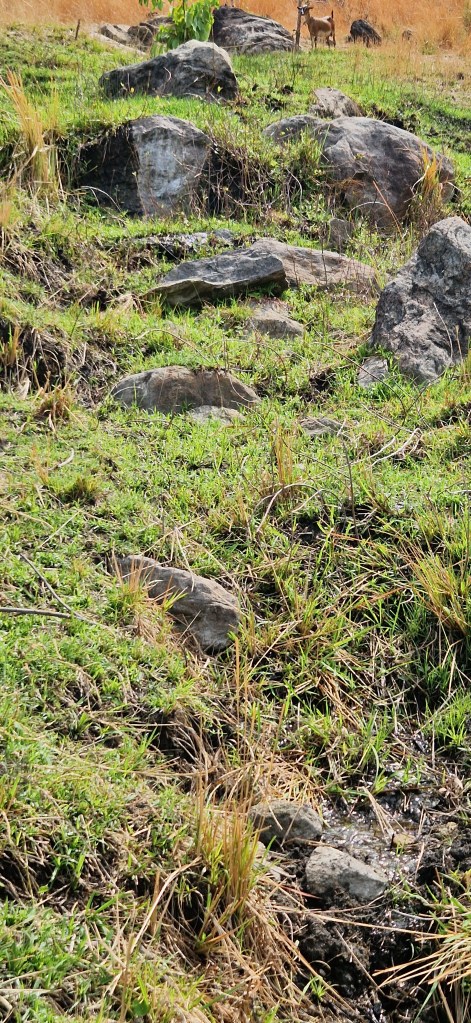
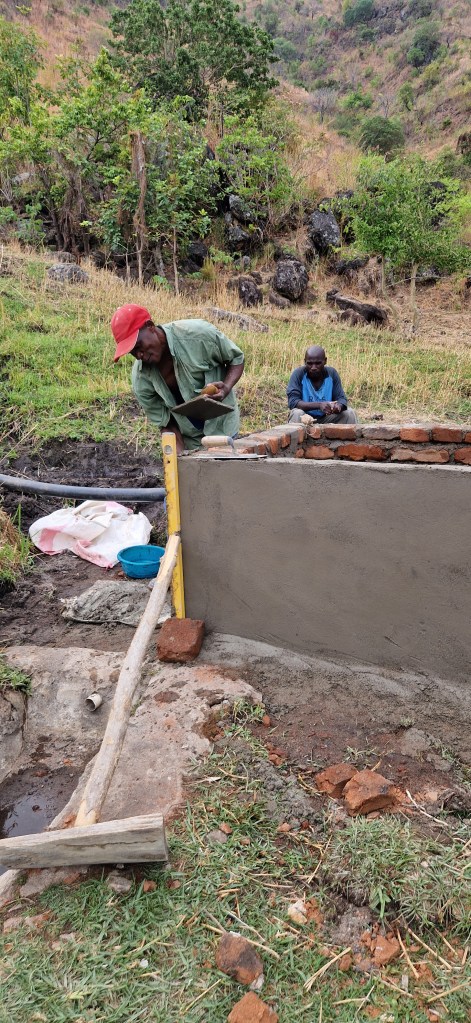
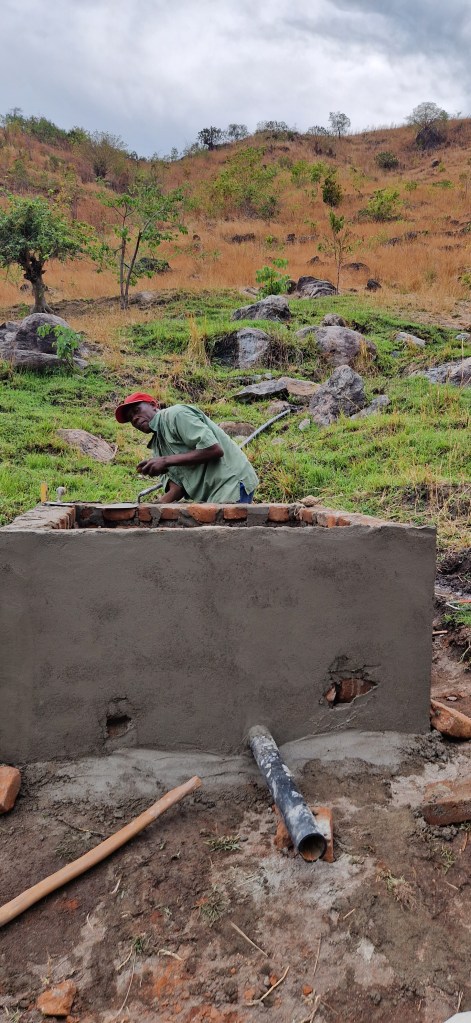
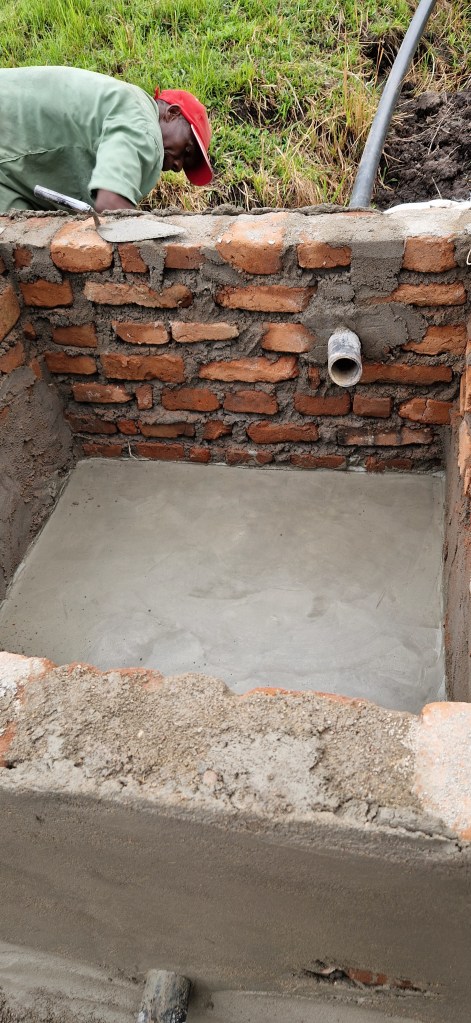
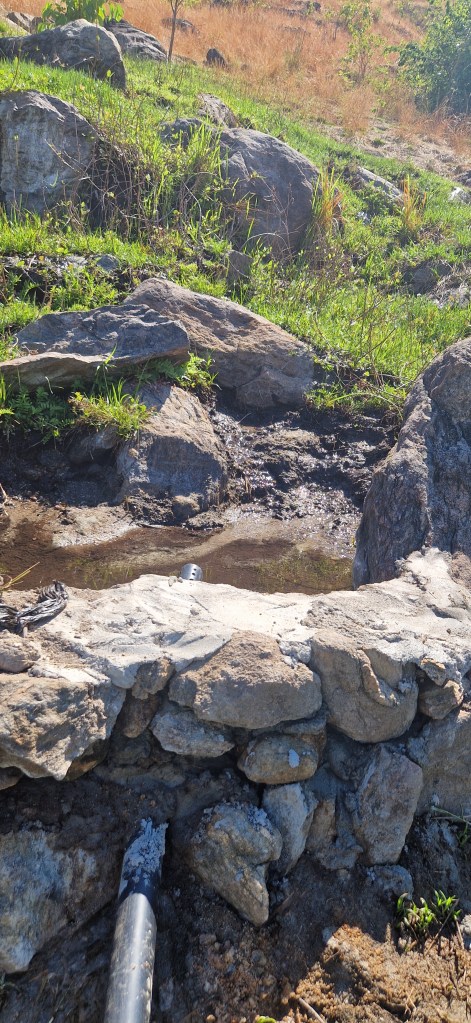
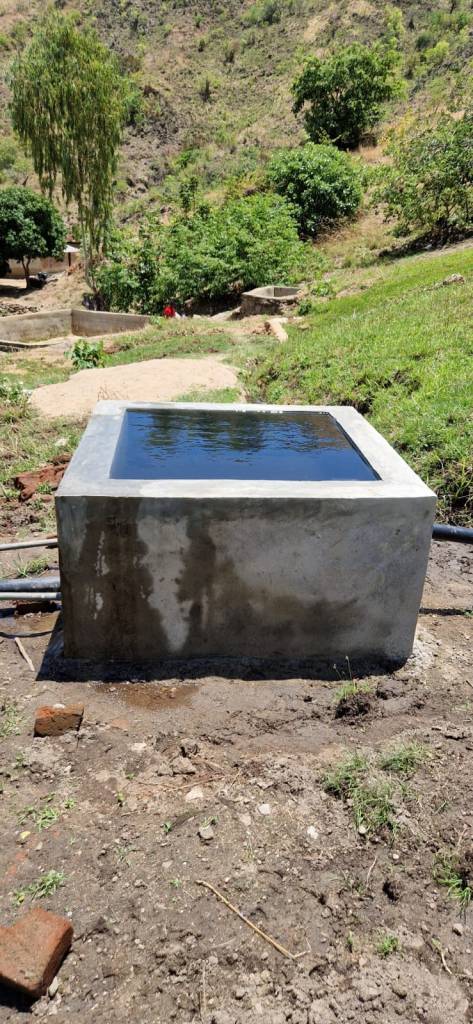
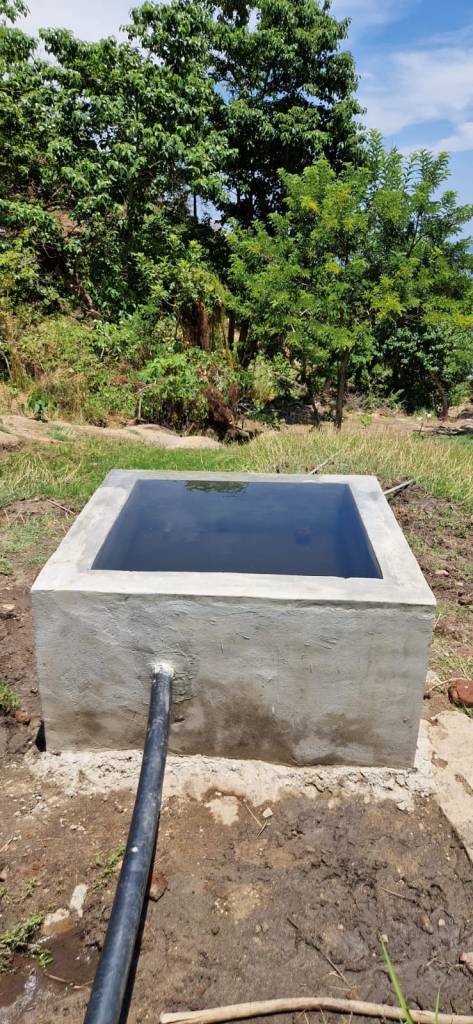
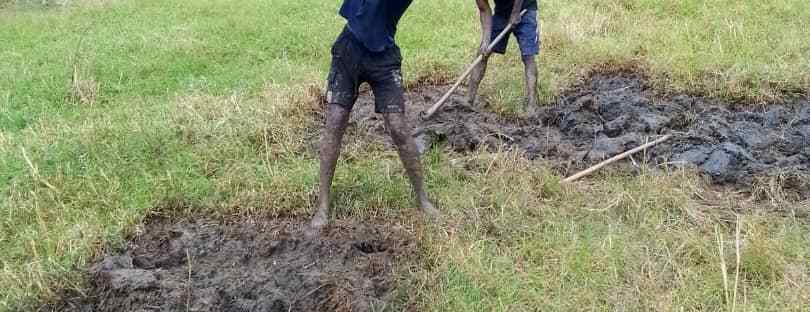
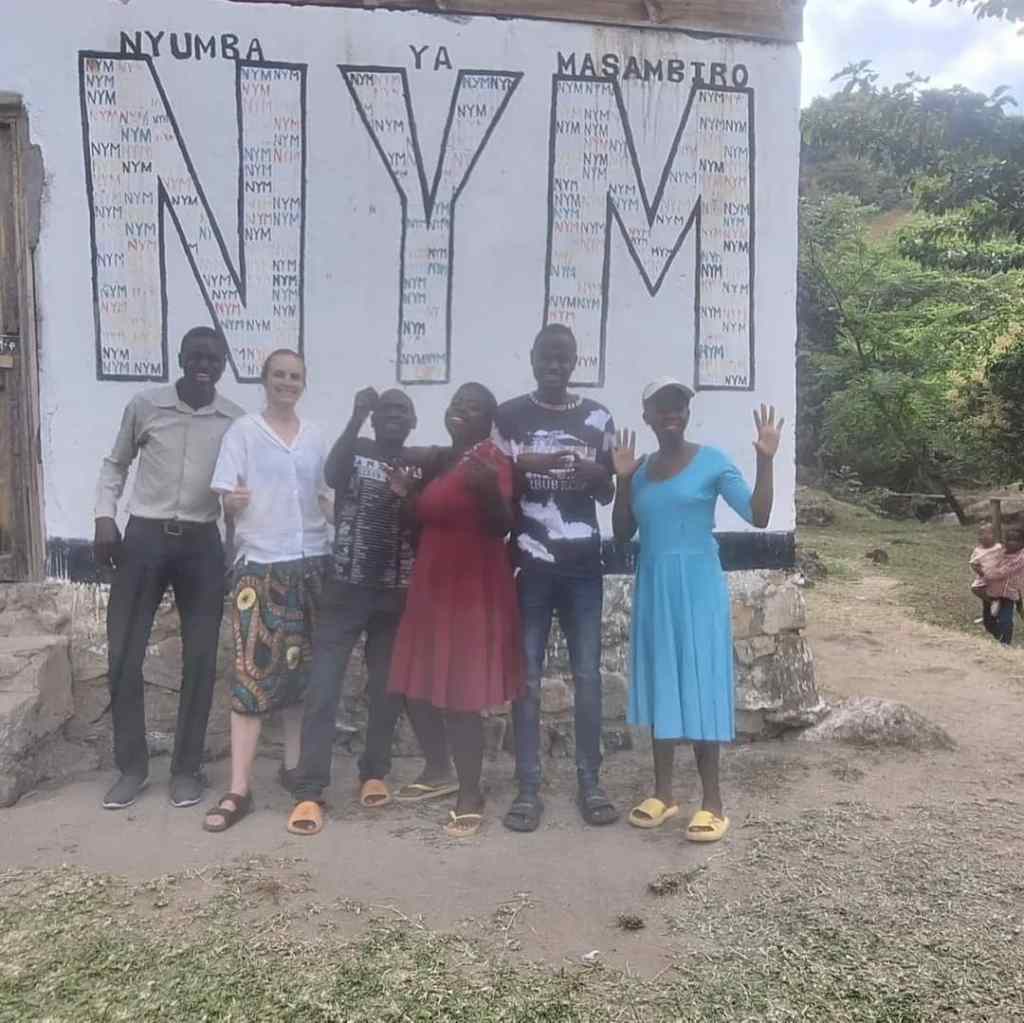
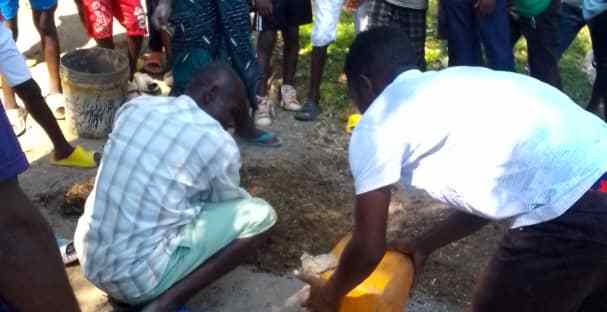
Following last year’s improvements to the spring above Nyumba ya Masambiro, and the installation of a standpipe for the staff and community to be able to collect water, a cement slab has been created at the site of the standpipe. The slab makes it easier for collection of water as well as channelling any run-off into the stream to stop it from flowing through NYMs campus.
The standpipe allows many community members to collect water from a clean source nearer their homes, and saves them the journey down the valley to the lake and back to collect water.
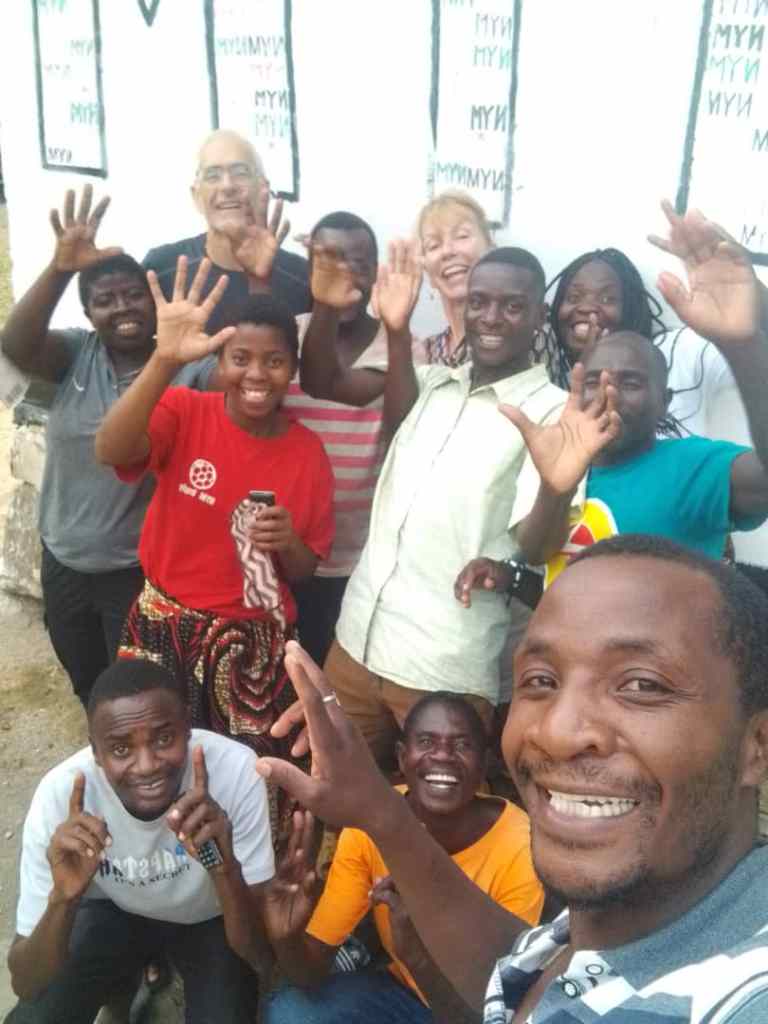
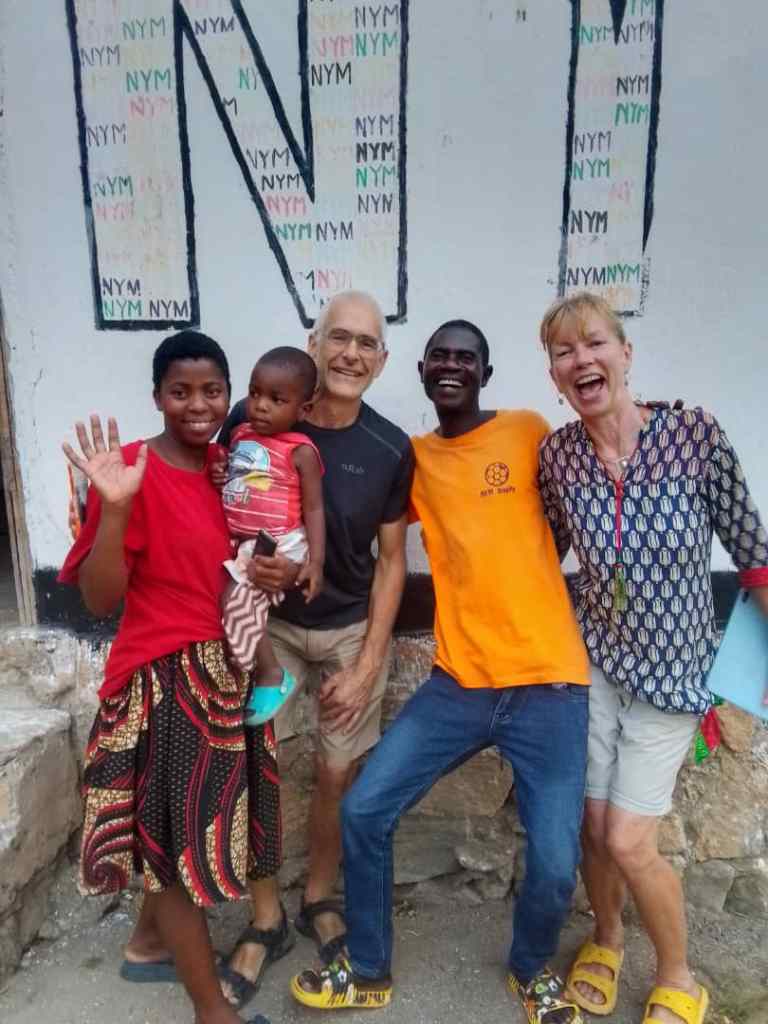
We are delighted that it draws more community members to the centre, who stop by and chat with the staff and access our facilities as they go about their daily lives.
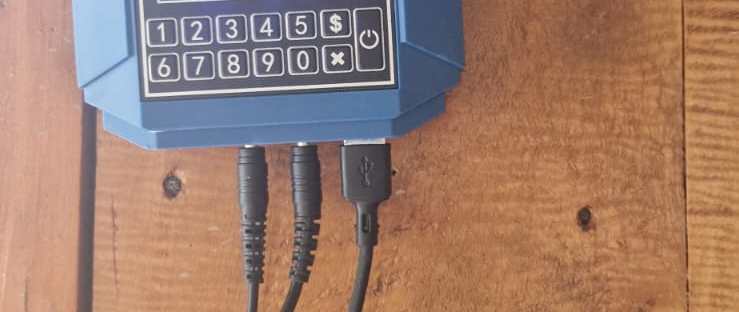
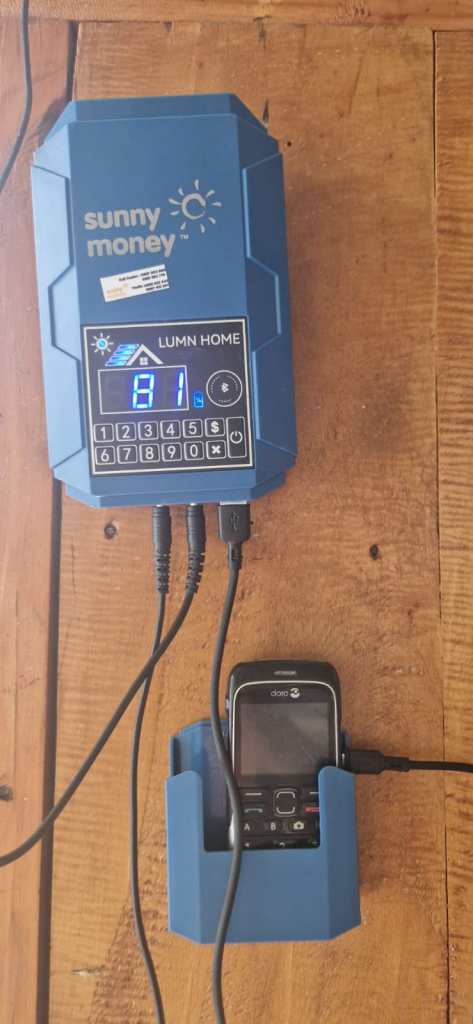
Following the recent instability of ESCOM (Electricty Supply Corporation of Malawi – The Malawian electricity supply company) the power situation at Ruarwe health centre has become very insecure, which is a problem, especially for managing emergency patients overnight. A small solar backup set with 4 lights was in place, but this wasn’t a sufficient circuit to light all the necessary rooms and spaces at the clinic.
Phunzira, through NYM, has donated a second solar backup light circuit with 4 additional lights to ensure a good light source in times of ESCOM black-outs. Both circuits also have the ability to charge one device at a time via USB connection, meaning that during the day, when the sun is bright, staff can also charge their mobile phones to be able to remain in contact with their superiors in Nkhata Bay, as well as manage research and reporting all of which is done online through mobile phones.
We hope that this additional backup system will resolve the power issues currently faced at the clinic, to keep patients safe and the staff well connected.
Nyumba ya Masambiro has always been lucky to have good access to water, despite being up the valley from the lake. A natural spring, which flows year-round, even in the dry season, is situated at the top of NYM’s land.
During Covid, this spring water was channelled into a small settling pond and then piped to the Health Centre, just next door to NYM to allow for easy access to clean water that the facility. The remainder continued to flow towards NYM for the needs there.
This December, a team from the NYM staff, the health centre staff and some experts from the community centre worked together to rechannel the water. A fresh concrete reinforced settling tank was built, as well as a water tank able to hold approximately 1,000litres at a time. Pipework was installed to pipe the water from the storage tank direct to both the health centre and a newly installed stand pipe at Nyumba ya Masambiro.
The new system better preserves and channels the water to both institutions, allowing for cleaning, flushing toilets and showers at the health centre and a constant supply of water at NYM, which many community members who live up the valley away from the lake come to use on a daily basis.
The trees planted by the EARTH Workshops team from Nkhata bay will continue to preserve the spring as a water source for years to come, and a bamboo fence protects the water source from roaming and grazing animals, keeping the water source clean and safe.
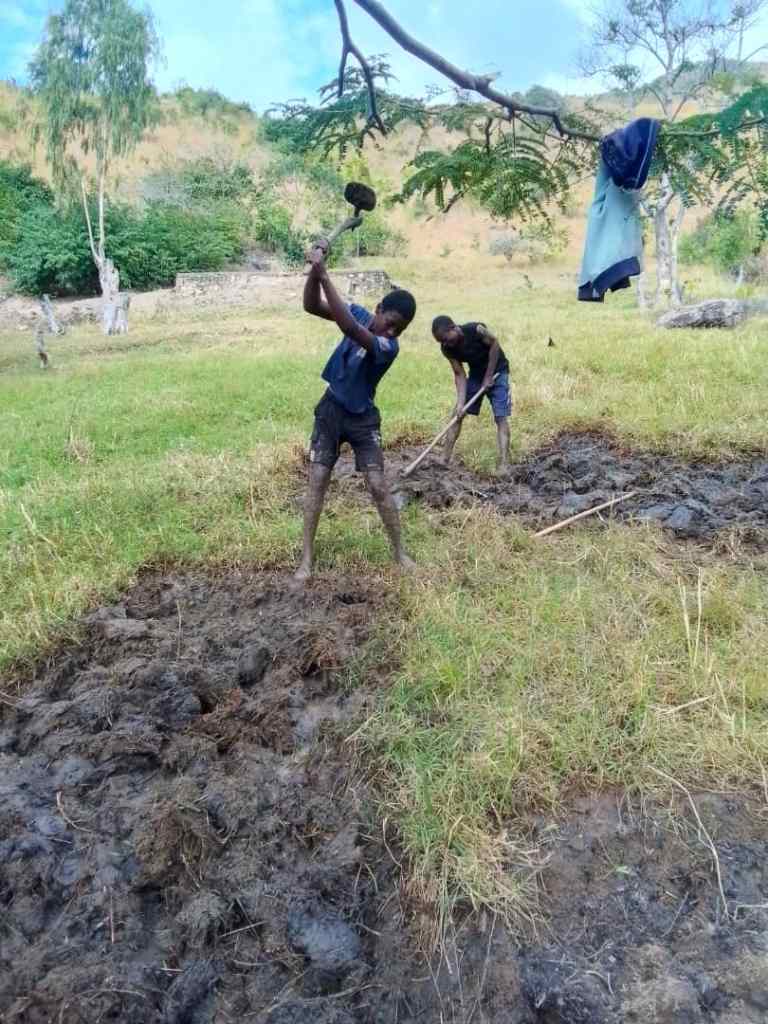
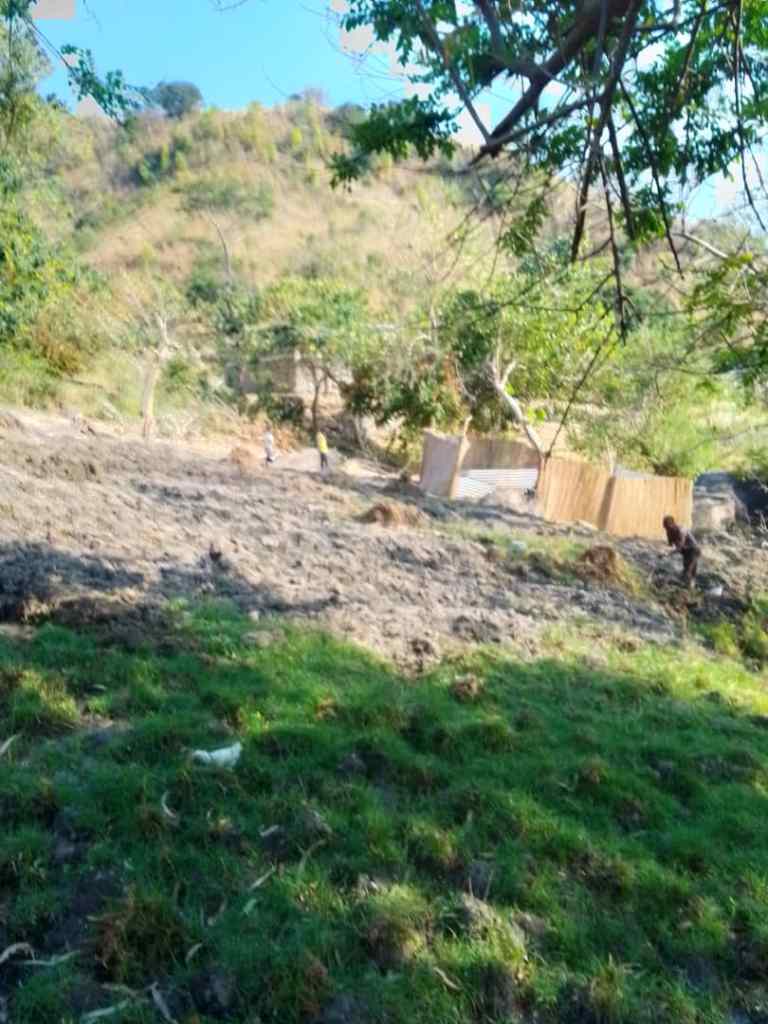
Medical assistant Paul Kabuzi from Ruarwe health centre has approached Nyumba ya Masambiro with an interesting proposal. Behind the NYM buildings, lies some fresh, fertile land, which has been gardened in the past, but not for the last 5 years or so. Paul proposes to use that land to grow onions, tomatoes, coco yams and more to supplement the available vegetables for the community of Ruarwe. The profits of the sales of these vegetables will then be split between Paul for the labour of farming the land, and a small portion to NYM as rental for the piece of land.
We are delighted with the proposal and wish Paul all the best of luck this coming growing season.
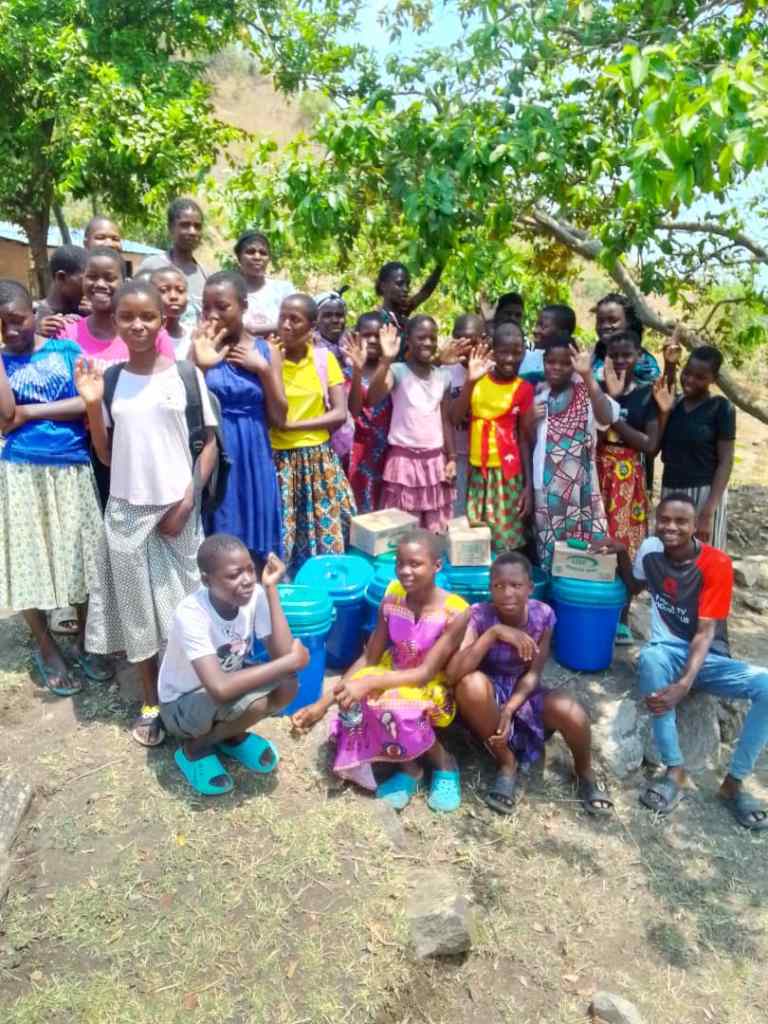
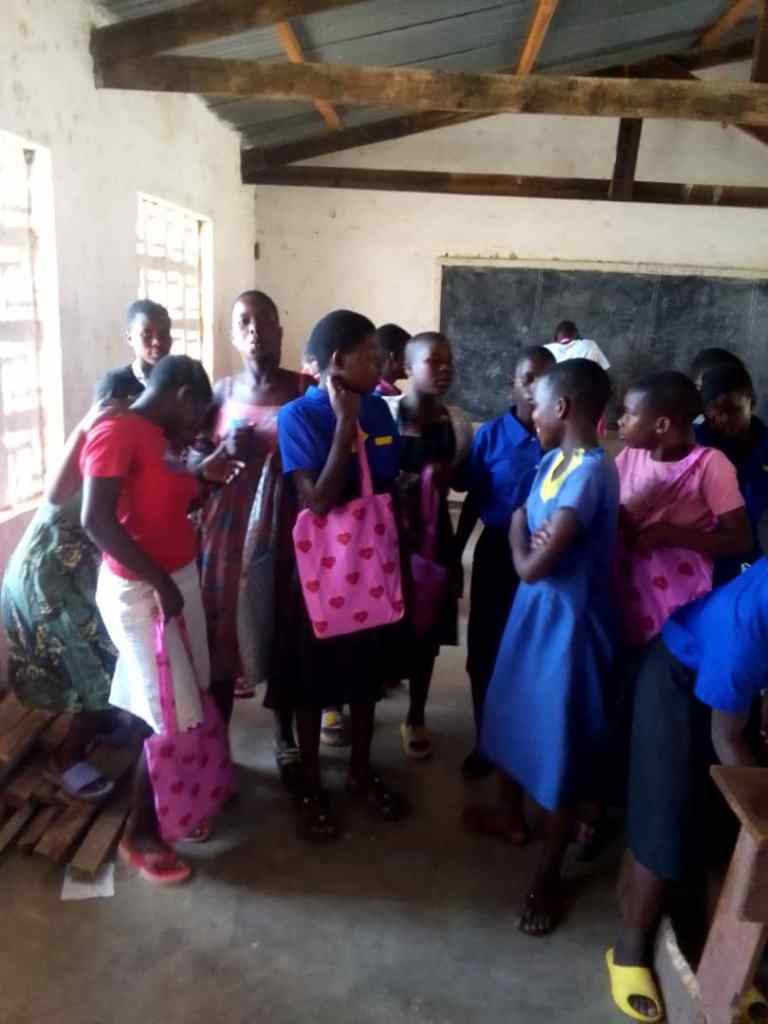
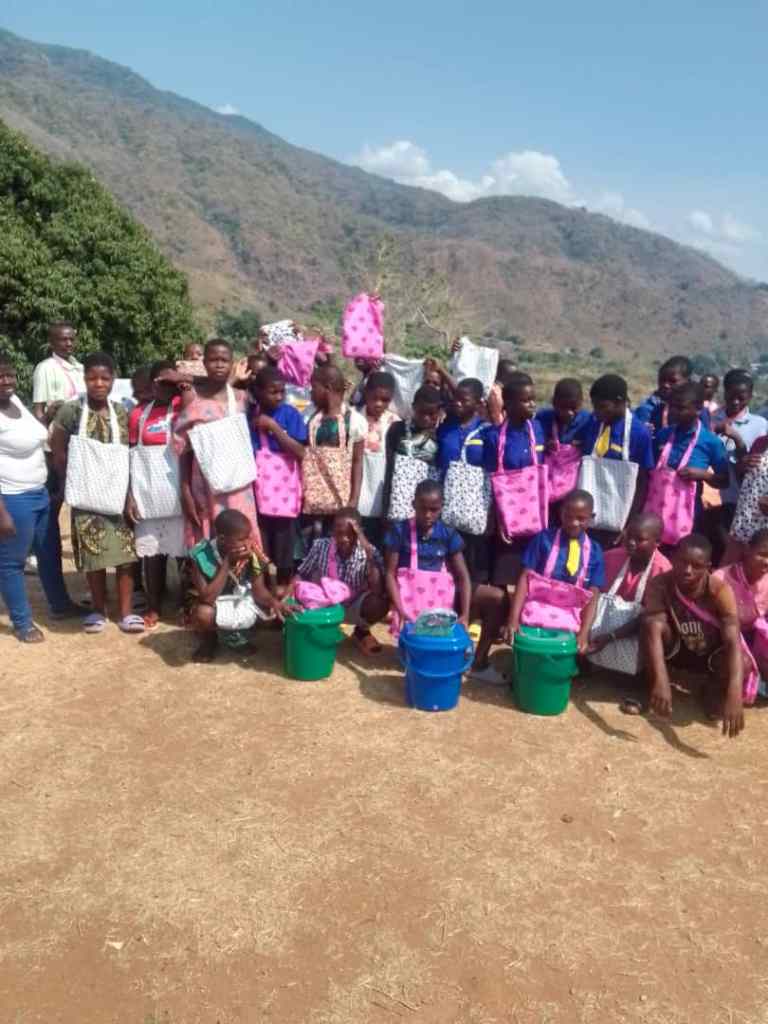
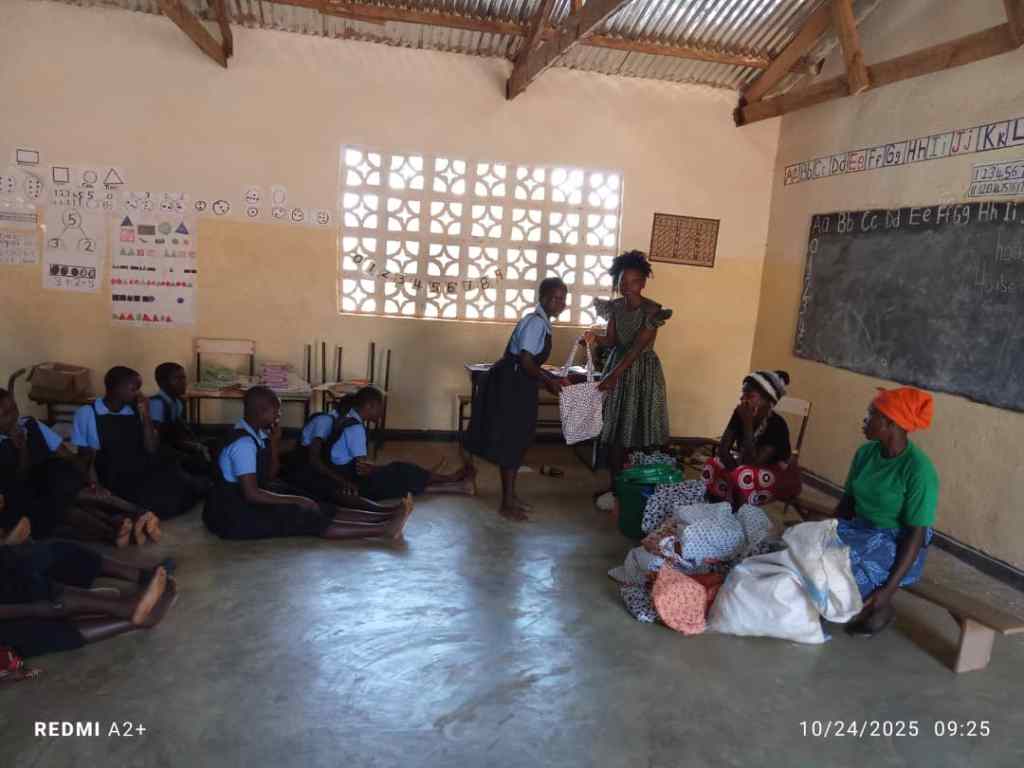
Phunzira is delighted to share the successful completion of Phase Two of our menstrual health and hygiene program in partnership with Supreme Sanitary Pads, a social enterprise based in Nkhata Bay that produces reusable menstrual pads locally.
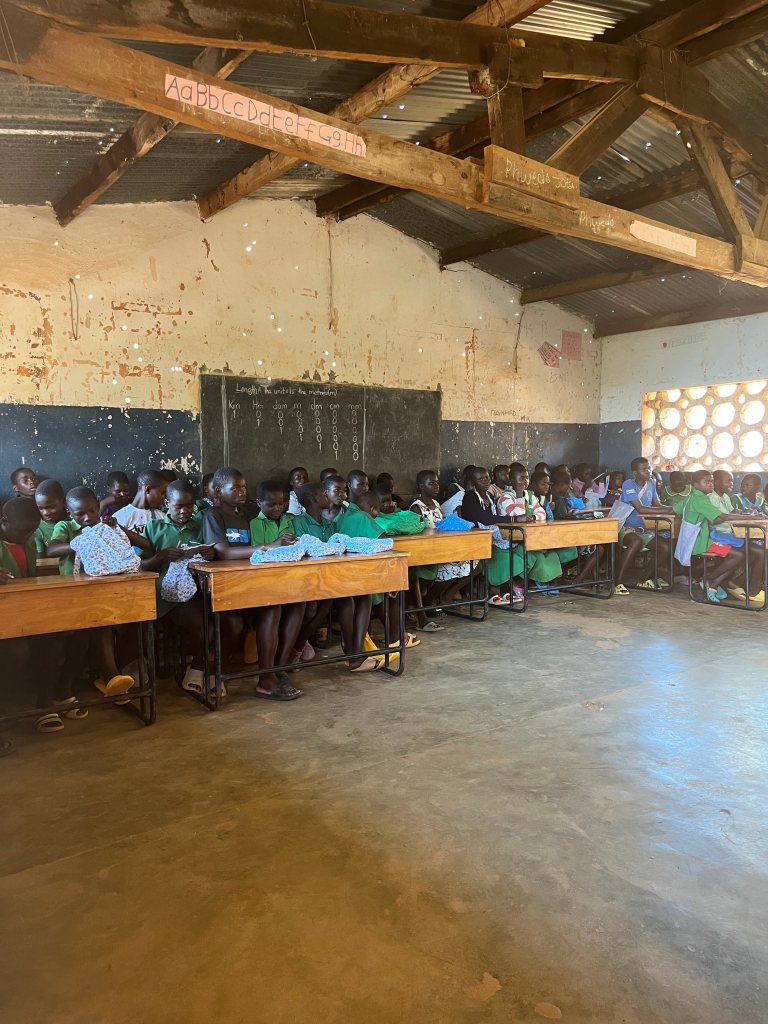
Following the impactful rollout of Phase One in six primary schools within the Nyumba Ya Masambiro (NYM) catchment area, Phase Two has now been delivered to the remaining four primary schools—meaning that all 10 primary schools in the area have now received the education and distribution program.
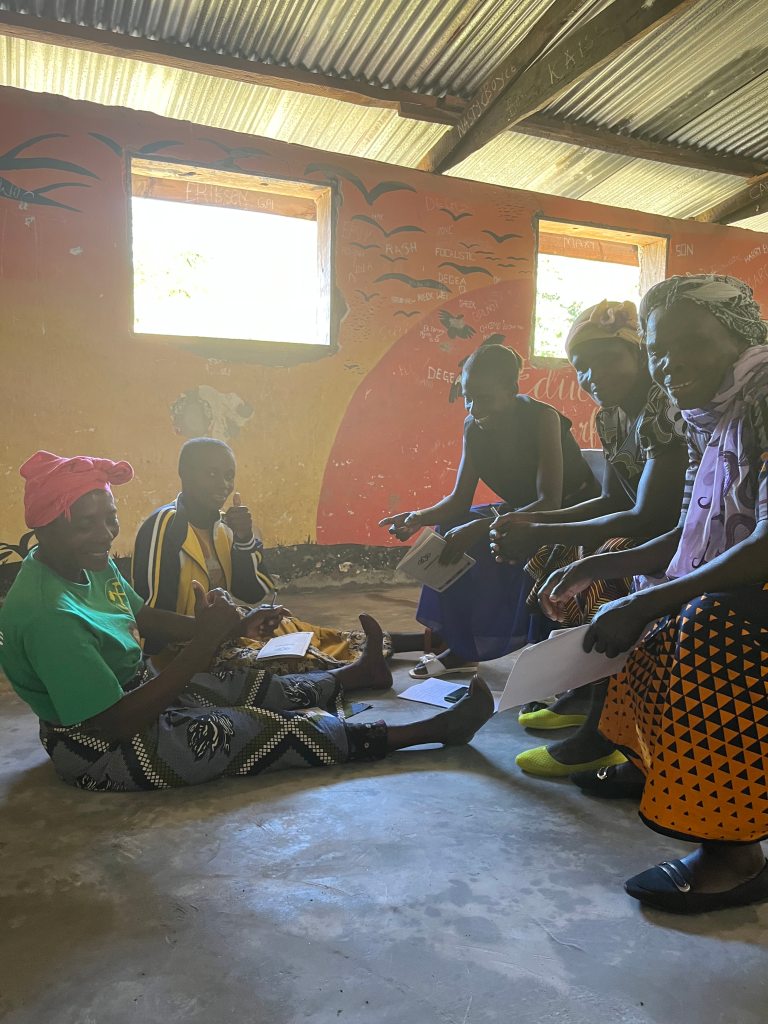
Following the training received in phase one, phase two was taught and rolled out by Stanley and Shidah from Nyumba Ya Masambiro. As in Phase One, the program was delivered to both boys and girls, with a mixture of joint and separate sessions to ensure sensitivity to local customs while actively working to break down stigma and misinformation surrounding menstruation.
In addition to student sessions, local ambassadors from the school mothers’ groups were trained to ensure the sustainability of the program. These ambassadors are now equipped to continue delivering menstrual health education within their schools and communities, strengthening long-term impact.
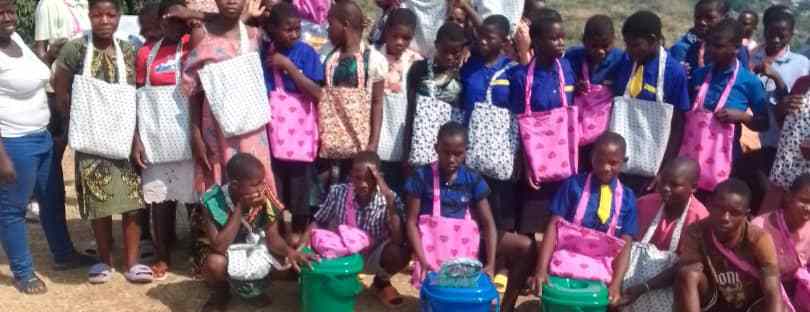
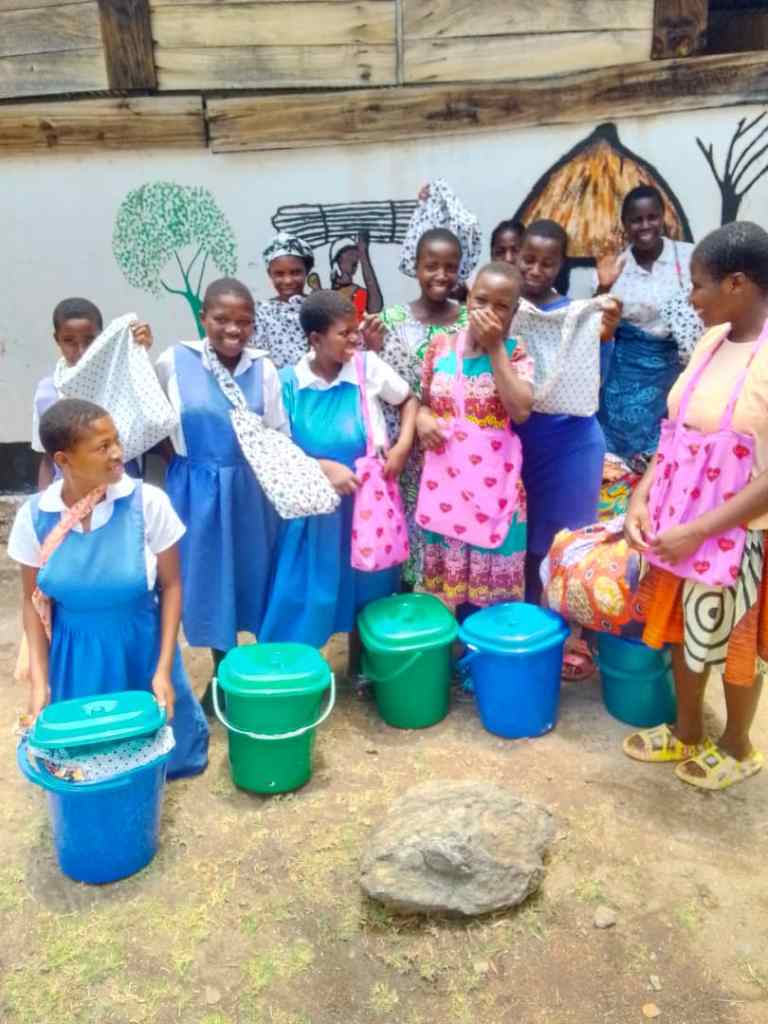
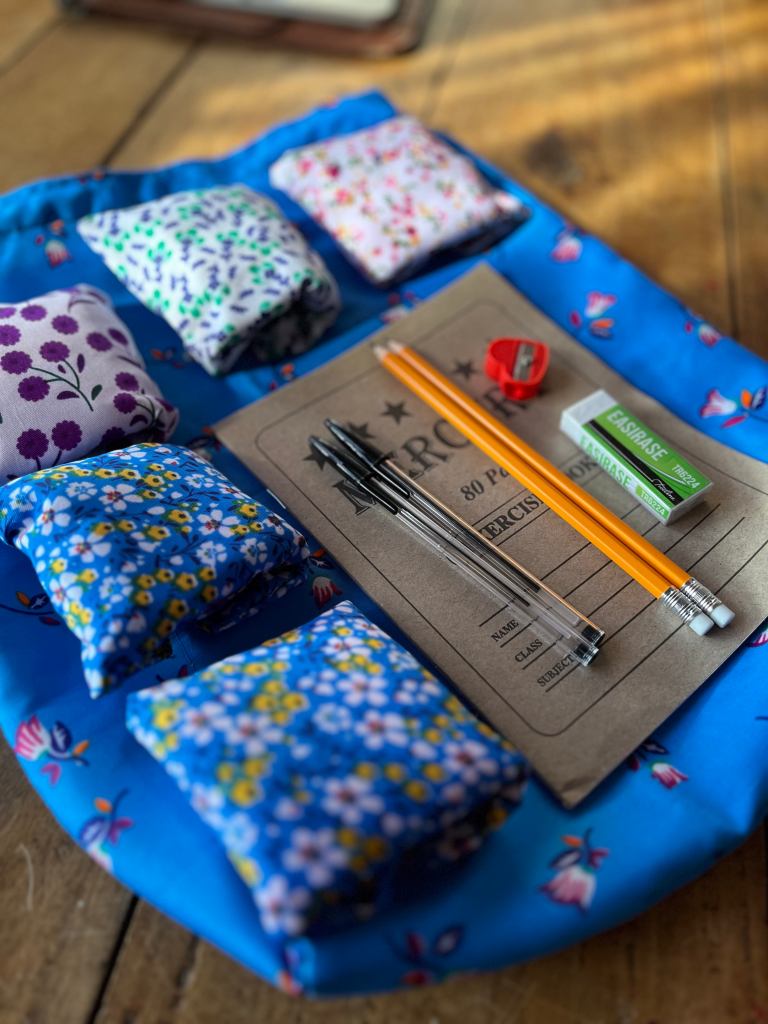
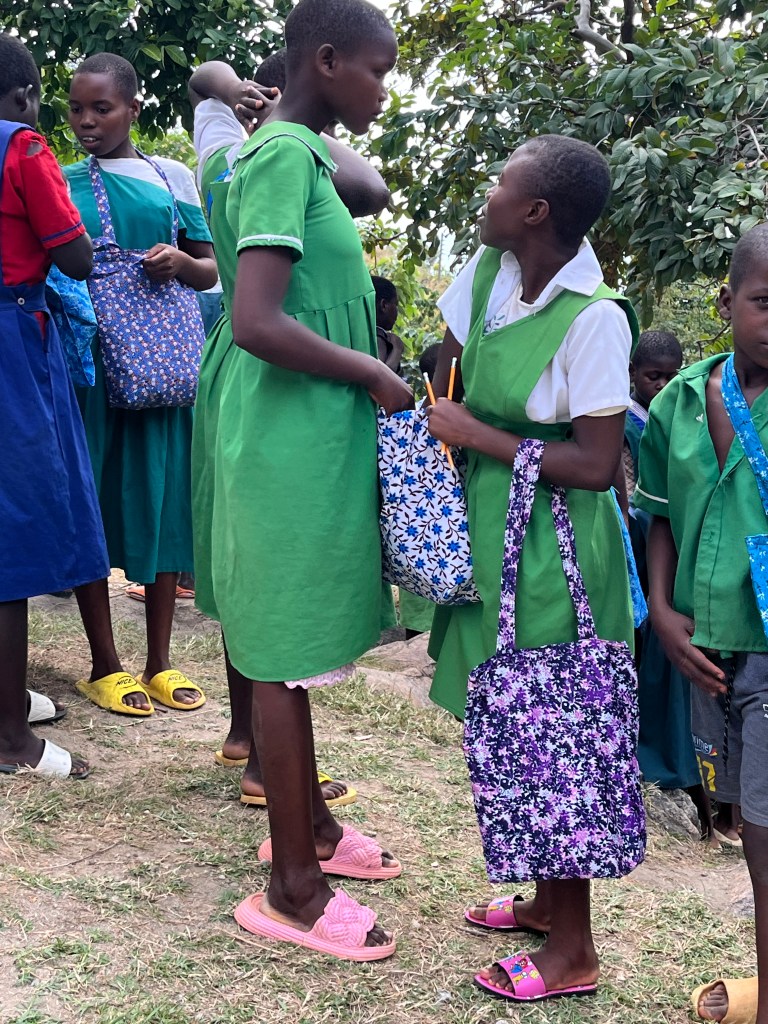
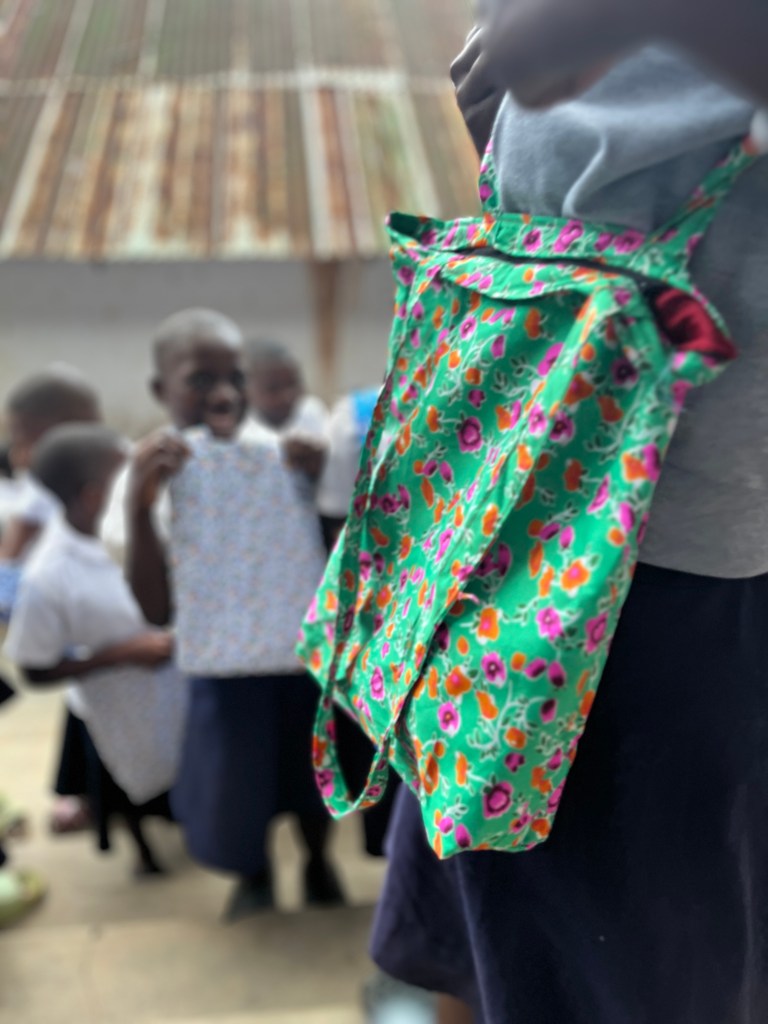
Each student who participated received a reusable sanitary pad pack containing:
1 lined tote bag (which can also be used as a school bag)
5 reusable sanitary pads
2 pens
2 pencils
1 exercise book
1 eraser
1 pencil sharpener
As before, boys participating in the program were encouraged to pass the sanitary pads to sisters, mothers, or friends who could benefit from them—fostering understanding, support, and shared responsibility.
Each pack provides enough reusable pads to manage a monthly period, with pads lasting up to two years when properly cared for. The packs also include educational guidance on menstrual hygiene and safe usage. By providing a reliable, washable, and long-lasting alternative to disposable products or chitenge rags—which are commonly used and highly prone to leaks—the program helps ensure dignity, comfort, and significantly reduces the risk of school absenteeism during menstruation.
With the completion of Phase Two, this initiative has now reached every primary school within NYM’s catchment area—marking a major milestone in our mission to make education more inclusive and equitable.
Supreme continues to operate as a true social enterprise: every purchase supports local employment and reinvests profits into the business and further educational outreach. We are proud to continue working alongside them to address menstrual health challenges, break stigma, and help girls stay in school.
This achievement represents a significant step forward for the Ruarwe community. We now look ahead to finding the funding with the view to expanding the program to the two secondary schools in the area and to continuing menstrual health education for future cohorts of students.
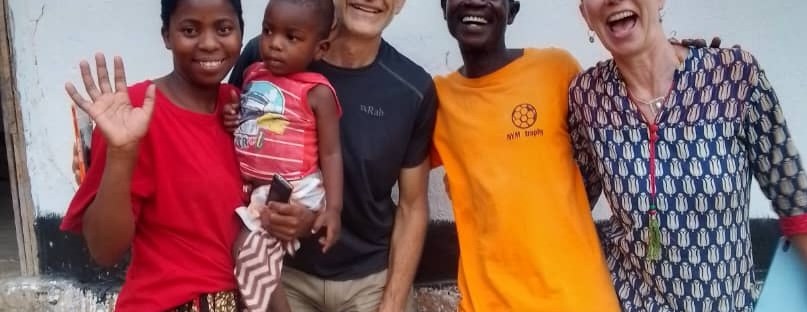
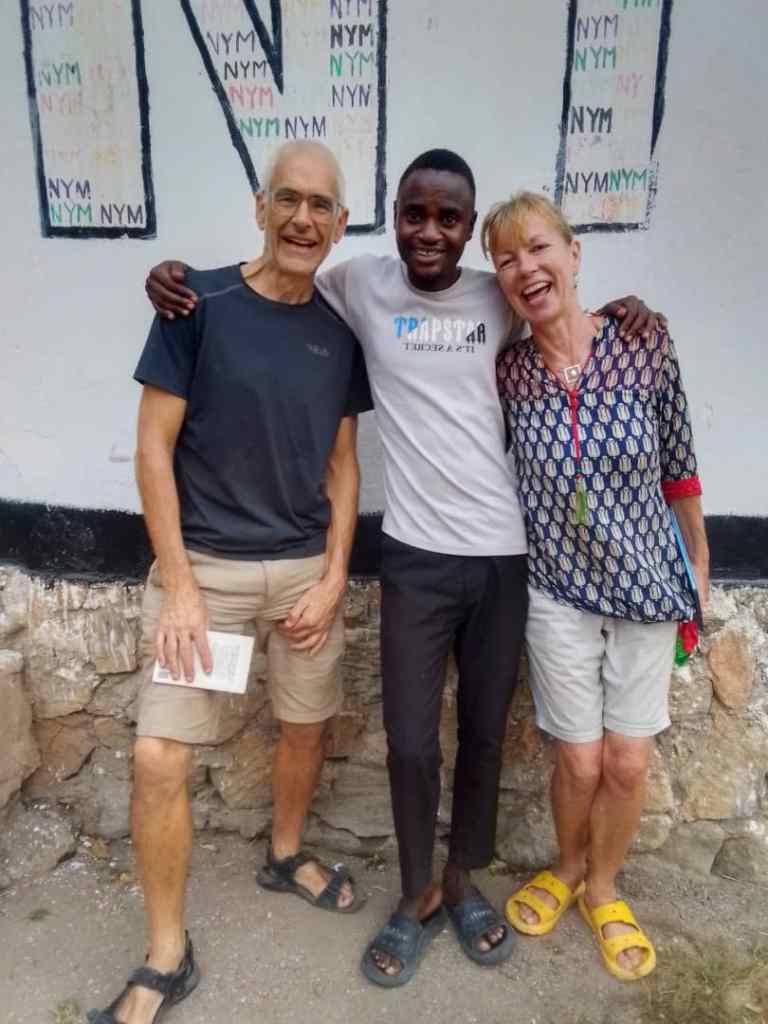
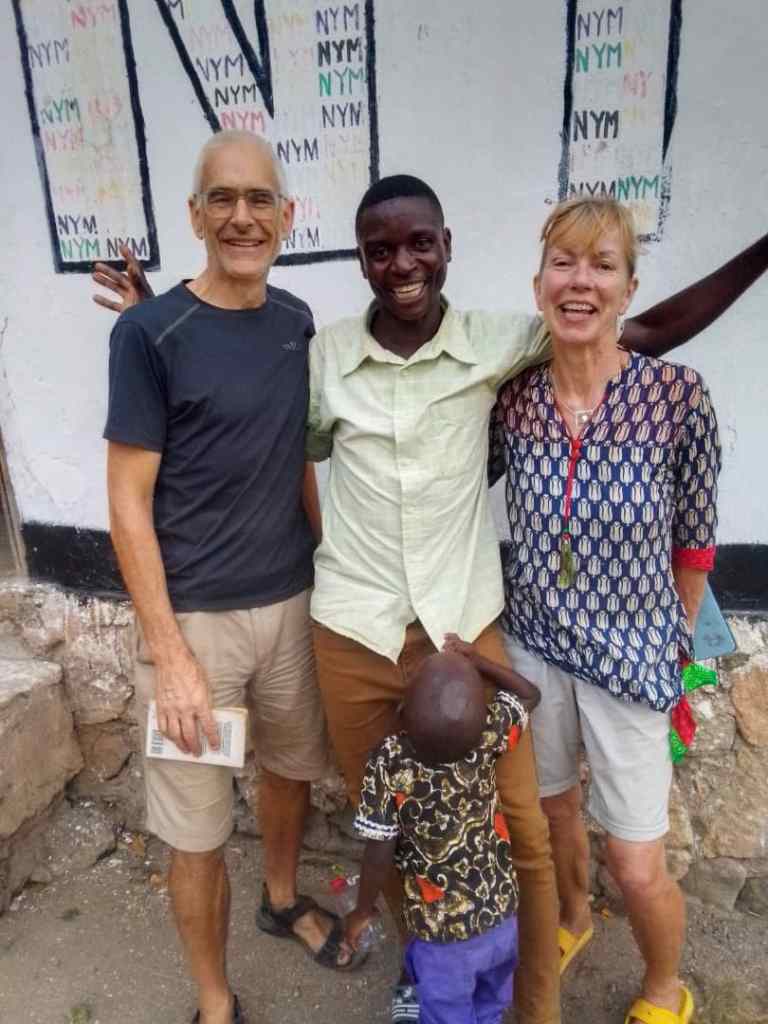
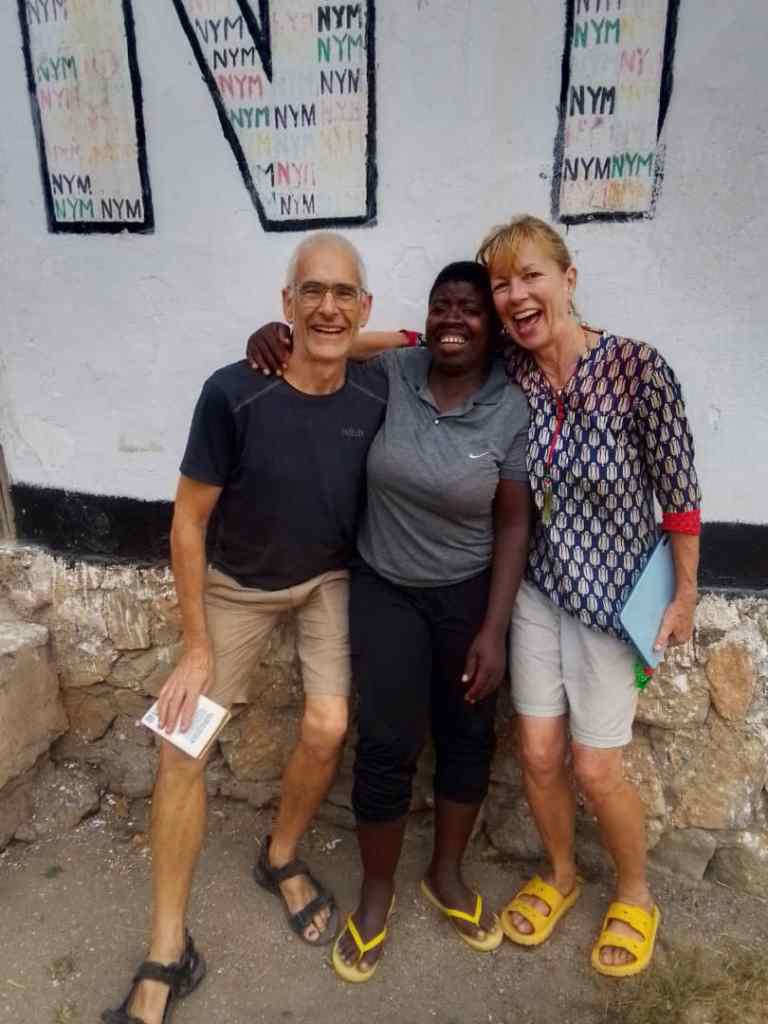
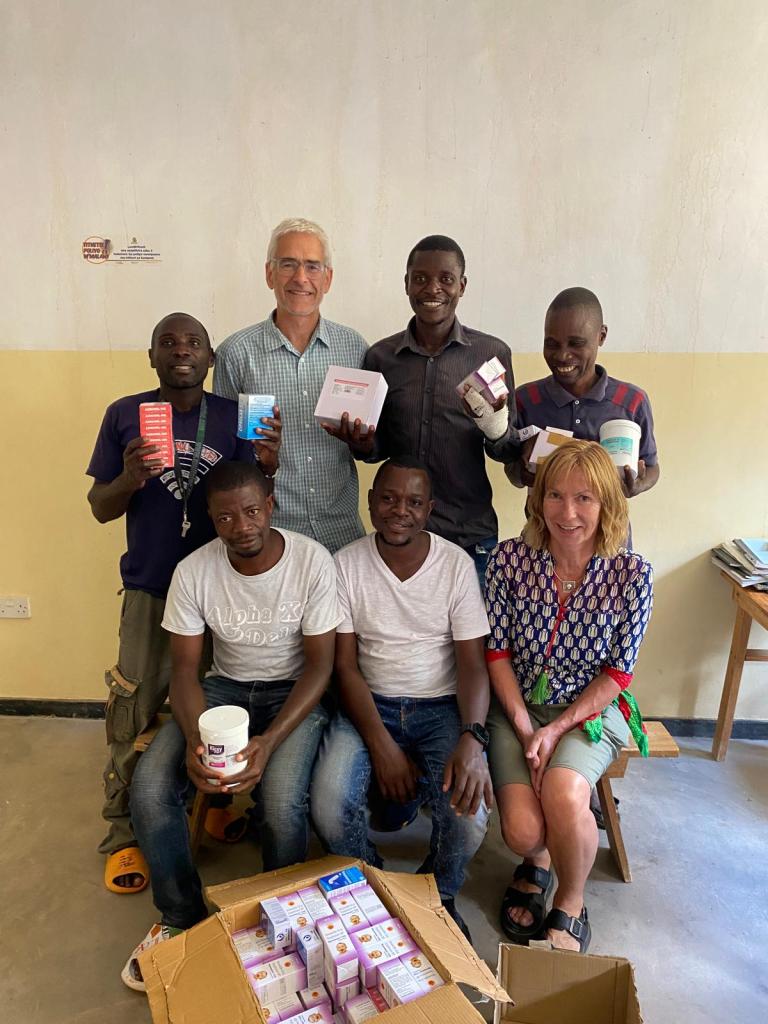
Nyumba ya Masambiro and Ruarwe Health Centre were delighted to host volunteers Jeremy Dobbs and Norma Coward for three months. Jeremy and Norma joined us from the UK for July, August, and September 2025. A retired GP and midwife respectively, their main aim was to spend time supporting Paul Kabuzi and the medical team at the health centre, but once they got to Ruarwe, they got stuck in with so much more.
Initially supporting Paul in seeing patients, and supporting midwife Dan with antenatal appointments, care, and teaching, as well as the distribution of reusable maternity pads, they then took on reorganising the clinic, which needed all hands on deck following both Covid-19 and a subsequent cholera outbreak. They provided funds for much-needed medications and organised and funded the repair of all inpatient beds, as well as the toilet and shower plumbing systems at the clinic.
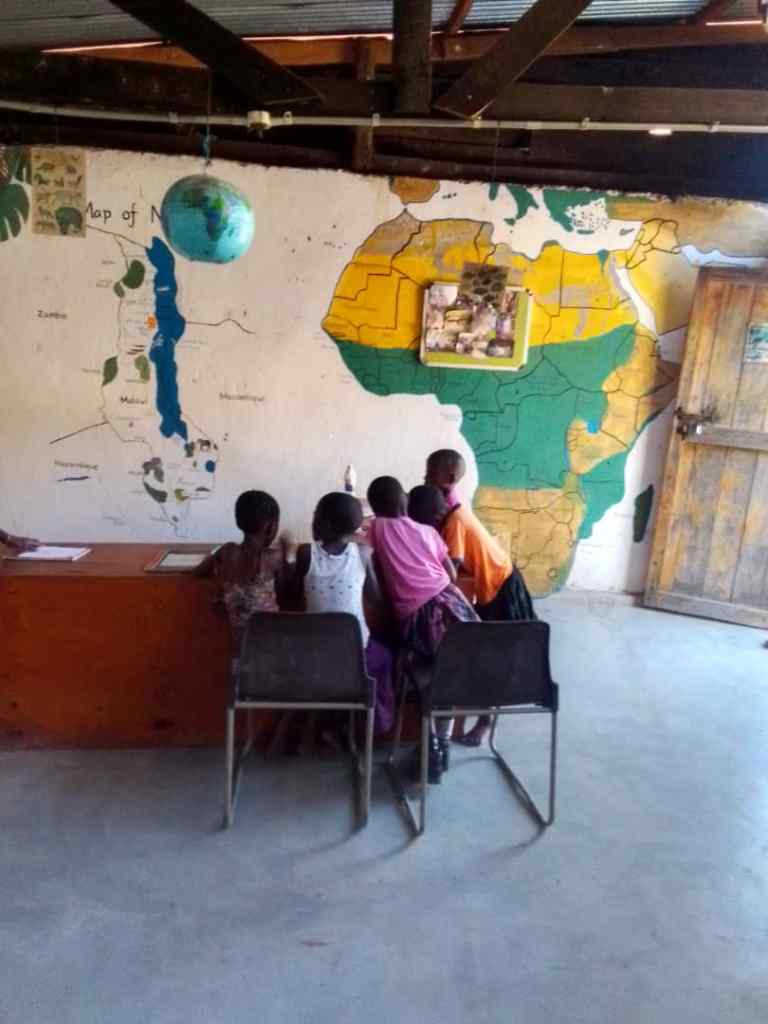
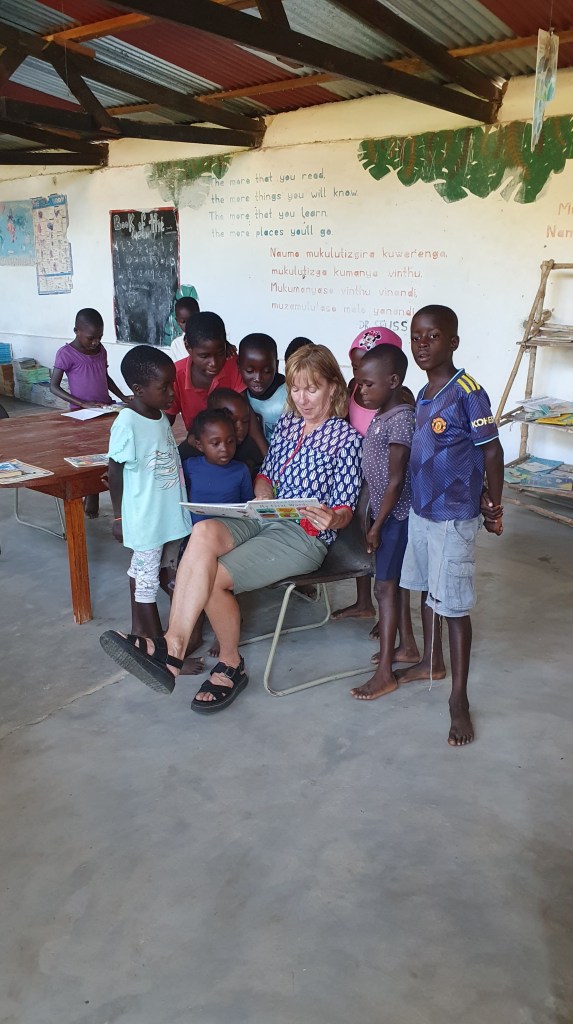
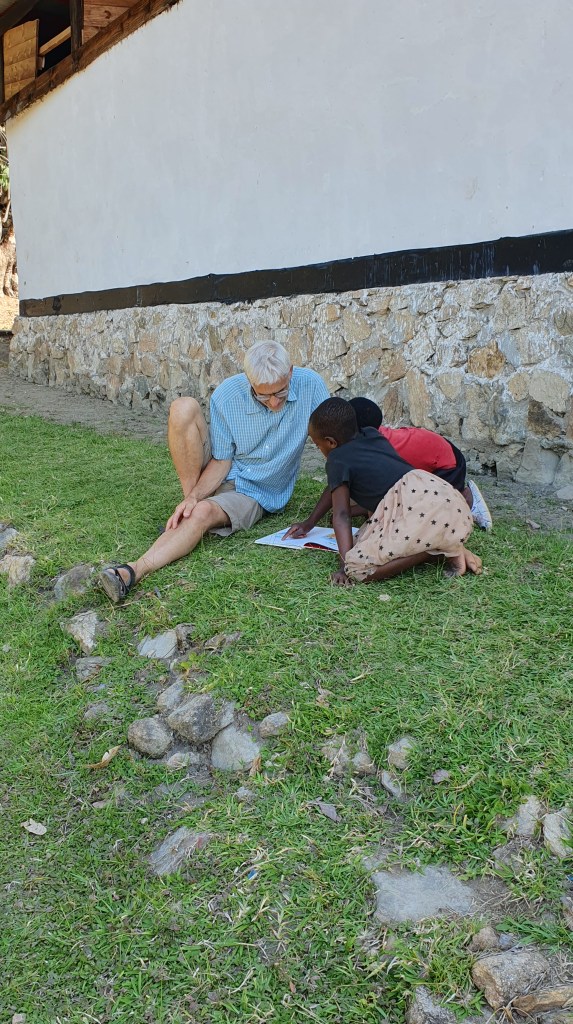
Meanwhile, in the afternoons, they both got stuck in at Nyumba ya Masambiro. They helped to reorganise the library, creating new labels so that all the books could be easily found and facilitating the distribution of excess books to Bunga CDSS, Khondowe CDSS, and Stepping Stones Primary School. They painted two beautiful murals on the library walls and refreshed the existing ones, which had faded over time. They worked with Stanley, the NYM nursery school teacher, to teach phonics, nursery rhymes, and early reading skills to the children, and then headed into Ruarwe Primary School to paint two murals there as well at the request of the teaching staff.
We would like to extend a huge thank you to both Jeremy and Norma for the incredibly generous gift of your time, your financial contributions, and your energy during your stay in Ruarwe! Yewo chomene! We all look forward to welcoming you again in the future!
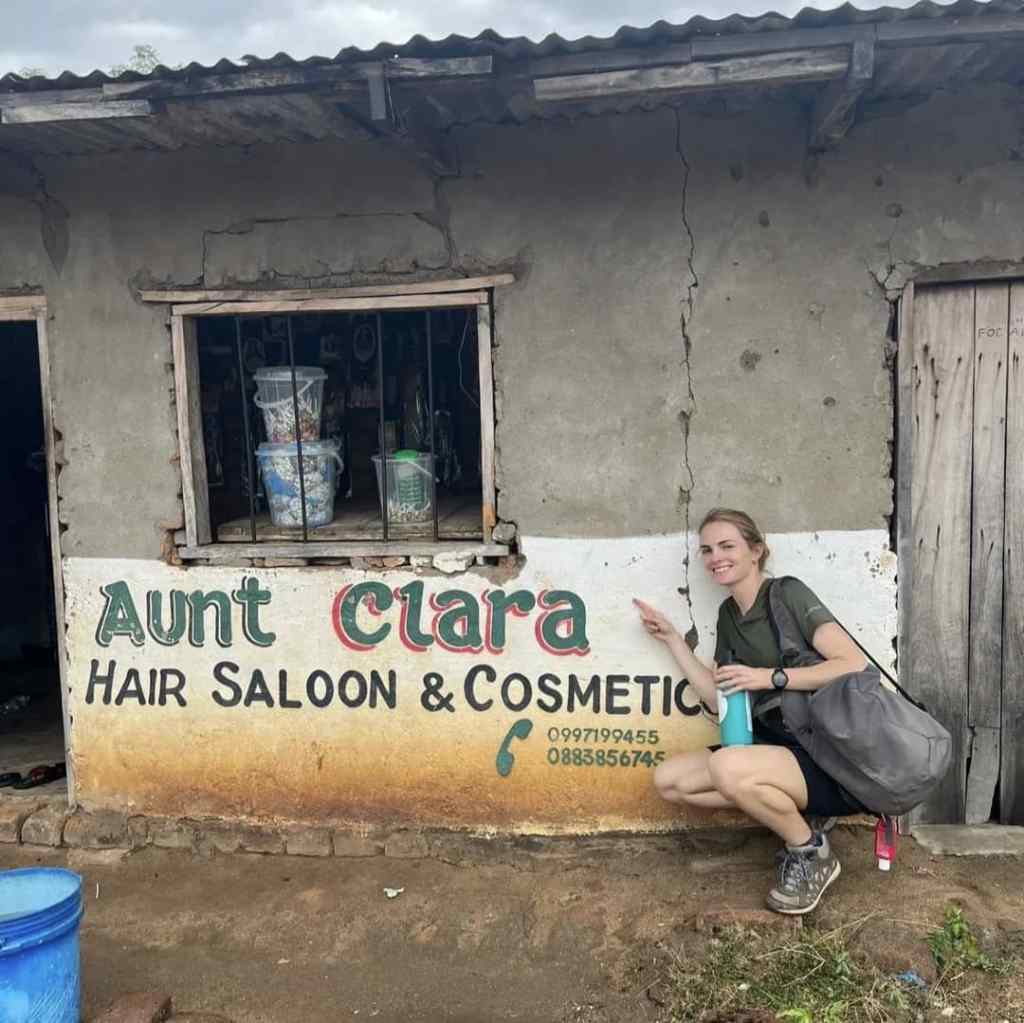
We would like to extend a huge “thank you!” to volunteer Claire who volunteered with us in Ruarwe for 4 weeks. A qualified doctor from Australia, with experience with remote working there, Claire worked alongside the staff at Ruarwe Health Centre and really got stuck into life at Nyumba ya Masambiro and in the village. She has written a wonderful summary of her time here in Malawi:
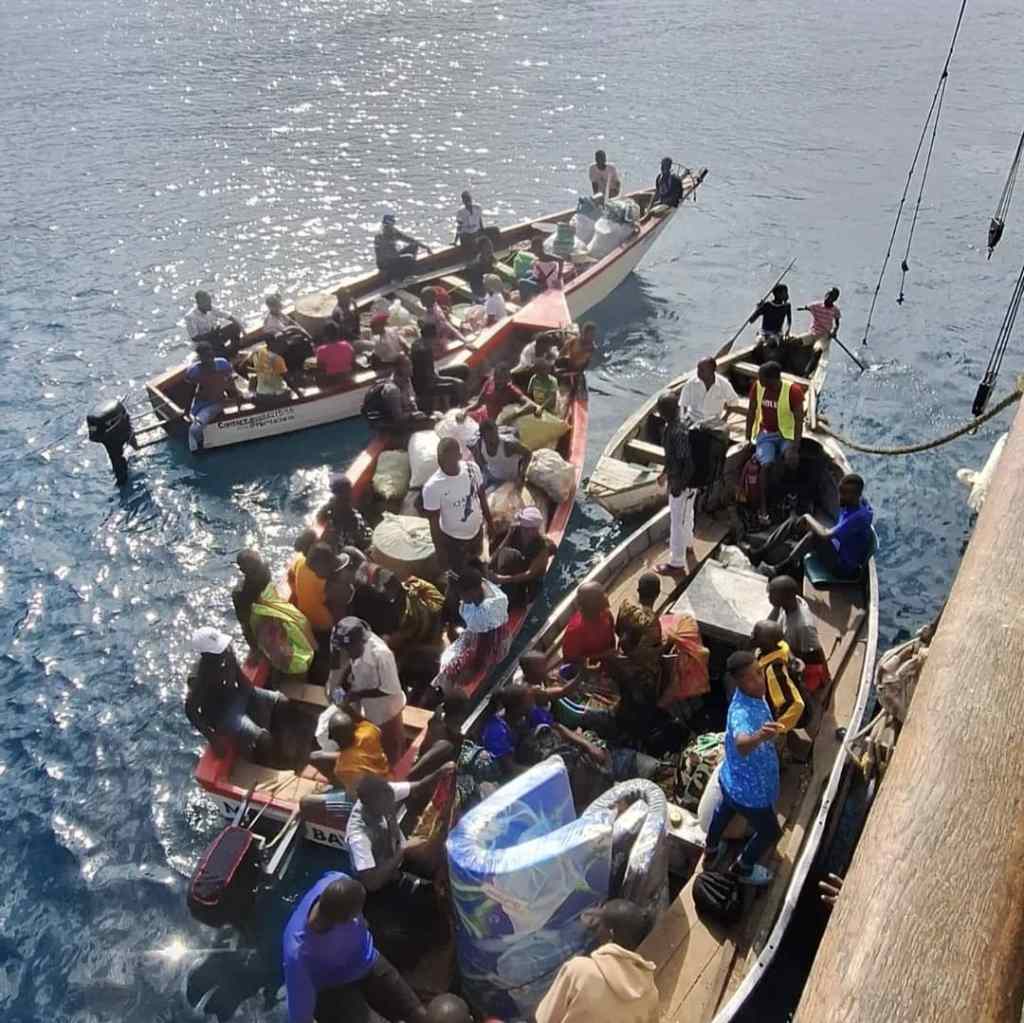
“🇲🇼I was thanked by community members for coming to work at Ruarwe Health Clinic because it is so remote that not even local Malawian doctors want to go there. It is only accessible by boat and foot. There are no roads. There was no running water for most of my time there and only electricity to a few key buildings in the village.
It was a no-brainer for me to go to Ruarwe; it is all I’ve ever wanted to do. I have been fully aware of my privilege since I was young. Lucky to be born into a wealthy white family to very healthy and loving parents in a country where others were and continue to battle a multitude of devastating illnesses and hardship.
My role in Ruarwe was to give the medical assistant a break. He has been working 24/7 365 for the last 7 years. Yes, that is right he has been on call for the last 7 years and receives a whopping salary of approx. $500/month. I would see everyone in the morning clinic, and he would “switch off,” answer any questions, and see the very sick patients that’d require inpatient observation.
Yes, it was tough. I was using a translator the whole time, so nothing was quick and easy. Were there cultural barriers? Yes, of course, but that happens everywhere you go. Would I do it again? Yes, of course.
Thank you to Phunzira and NYM for making it possible. Thank you to Philippa for making the whole experience amazing. Thank you to the Ruarwe community, NYM staff, and clinic staff for welcoming me in and helping me every day. Tawonga chomene 🖤❤️💚”
Thank you Claire for giving your time to the community and we very much hope to see you here again soon!
Phunzira is excited to announce a new collaboration with Supreme Sanitary Pads, a social enterprise based in Nkhata Bay that produces reusable menstrual pads locally. Through this partnership, we have provided a menstrual health and hygiene education program as well as the distribution of reusable sanitary pad packs to schoolchildren within the Nyumba Ya Masambiro catchment area.
Of the 10 Primary schools within NYM’s catchment area, 6 have been selected to run the first education and distribution program. Two trainers from Supreme Sanitary Pads have come to Ruarwe to run the menstrual health and hygiene education program at the 6 selected schools, as well as training local ambassadors, who can continue to provide the education in the future. The program is taught to both boys and girls, with some sessions separate and some together as is appropriate and considerate of social customs, whilst also working to break down stigmas. Each attendee then received a pack which includes: 1 lined tote bag, which can be used as a school bag, 5 reusable sanitary pads, 2 pens, 2 pencils and 1 exercise book, 1 eraser and 1 pencil sharpener. The boys included in the program can pass on the sanitary pads to sisters/mothers or friends who can use them. On this occasion the funding allows the program to reach 600 students within the area.
Each pack includes enough pads to manage a monthly period and the pads last up to two years and come with educational guidance on menstrual hygiene and safe usage. These pads not only ensure dignity and comfort but also significantly reduce the risk of school absenteeism during menstruation. And because they are washable and long-lasting, they’re a cost-effective, eco-friendly solution compared to disposable alternatives or chitenge rags commonly used in these rural areas, which are very prone to leaks.
Supreme operates as a true social enterprise—every purchase supports local employment and reinvests profits back into the business and educational outreach efforts. We’re proud to work alongside them to address menstrual health challenges, break stigma, and help girls stay in school.
This launch marks a significant step forward in our ongoing mission to make education more inclusive. We look forward to raising further funds in the future to allow us to expand the program to the remaining primary and two secondary schools in the area.
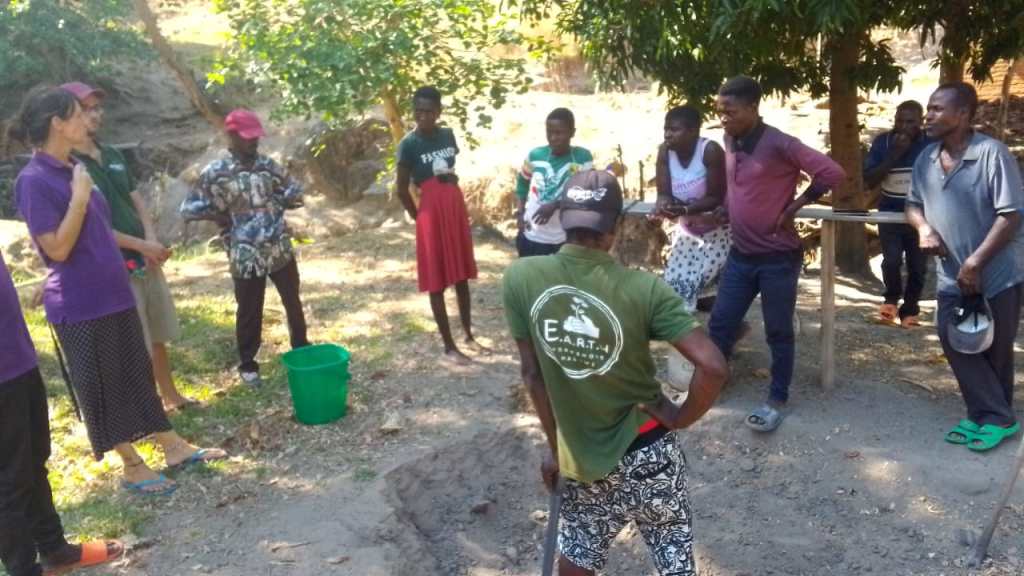
Nyumba Ya Masambiro was delighted to host The E.A.R.T.H Workshops team from Butterfly Space in Nkhata Bay who came to share their knowledge and expertise on all things environmental. Standing for Environment, Agriculture, Reforestation, Topsoil and Health, the workshops provide a bottom-up approach to empower communities to be resilient, independent and find solutions to protect our soil, improve farming methods, reduce damaging activities, as well as improving nutrition through better, more environmentally friendly cooking methods.
The workshops were attended by a variety of community members from Ruarwe, and surrounding villages as far away as Kwenthu Village as well as staff from Nyumba Ya Masambiro and the clinic. On one day a primary school class was invited to join the session to start to inspire positive environmental thoughts and practices in the younger generations. This has been continued by one particularly proactive primary teacher, who has continued to bring his class to NYM to have lessons under the guava tree and discuss and analyse the positive impacts of the E.A.R.T.H workshop principles as put into practice at NYM.
A huge thank you to the team from Nkhata Bay for sharing your knowledge with the community in Ruarwe and your ongoing support as farmers, community members and NYM and clinic staff put the principles of your program into practice.
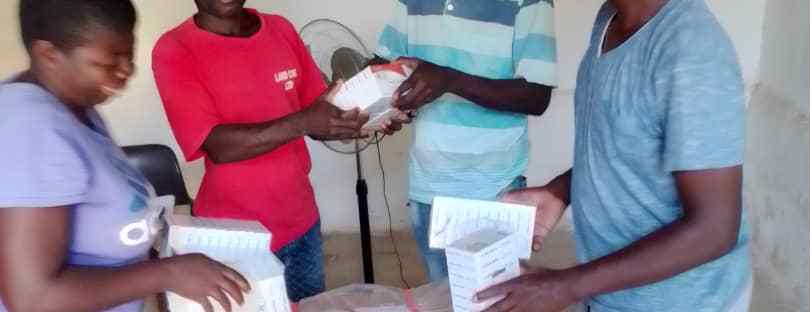
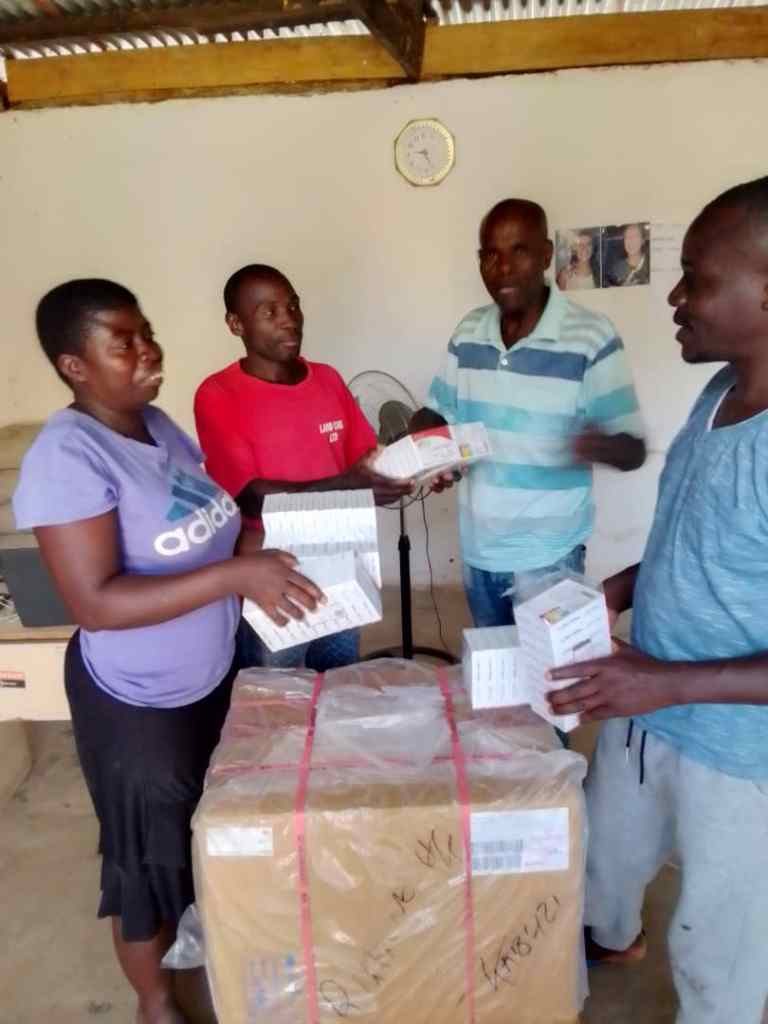
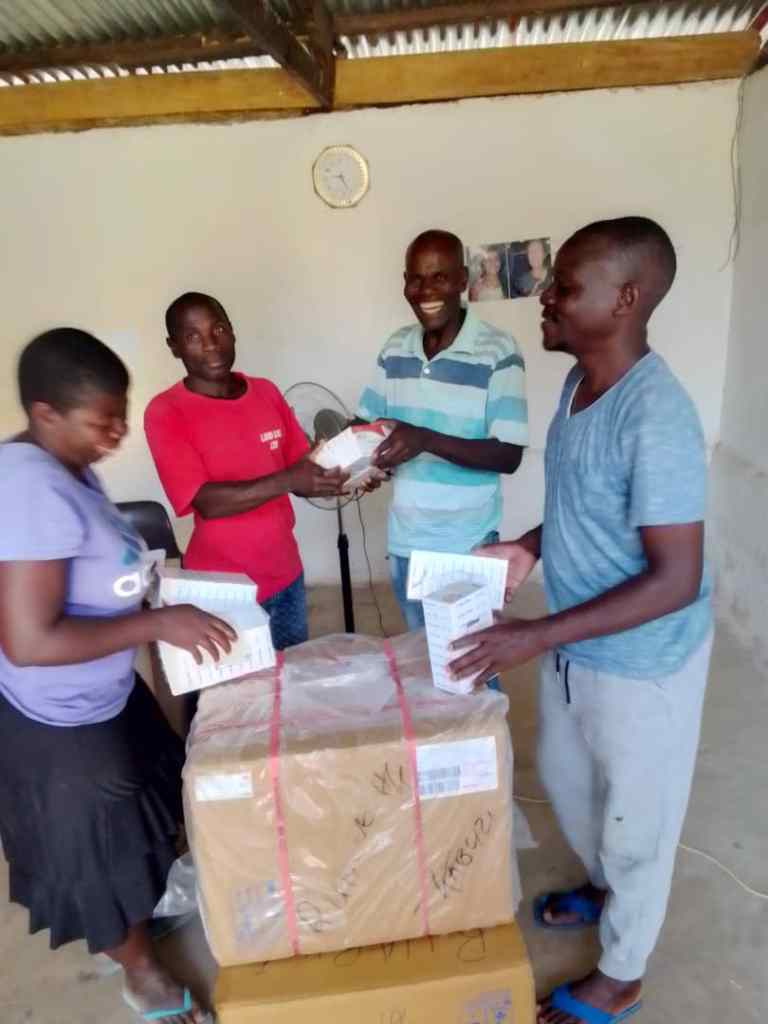
This malaria season has seen a very sharp rise in malaria cases as a result of various factors including the change in climate. This is a nationwide crisis, which has unfortunately coincided with a Forex and a fuel shortage, hampering the purchase and distribution of the malaria treatment Lumefantrine and Arthemeter (LA). Phunzira has been able to make a donation of LA to both Ruarwe and Khondowe clinics, to hopefully see out the rest of the malaria season.
This donation of medications coincides with a nationwide government initiative to distribute mosquito nets to all households, which started in the Ruarwe area at the beginning of November. Alongside the education provided by the clinic staff at the start of every clinic day we hope to see a drop in malaria rates and no fatalities. We are grateful to be able to help the wider community at a time of need such as this, and will continue to focus on education for the whole community about the importance of using mosquito nets correctly and prevention methods community members can take to reduce their risk of infection.