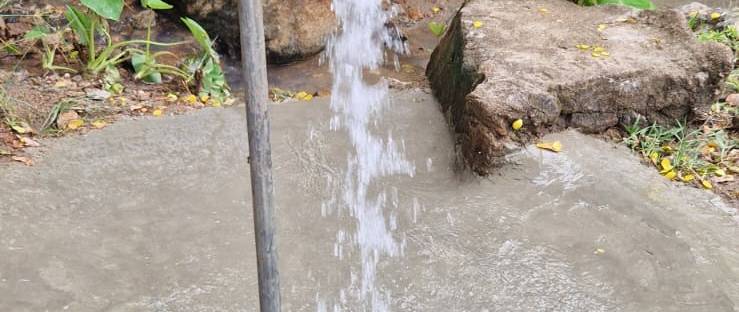
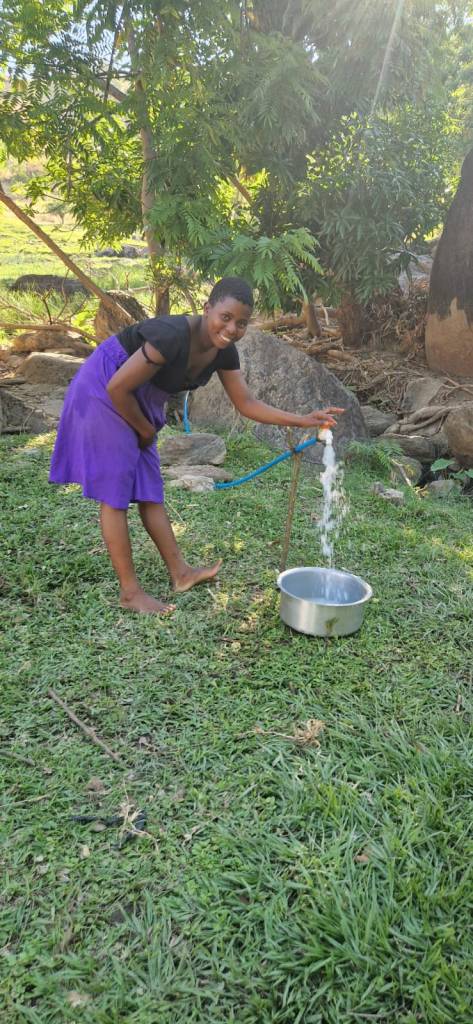
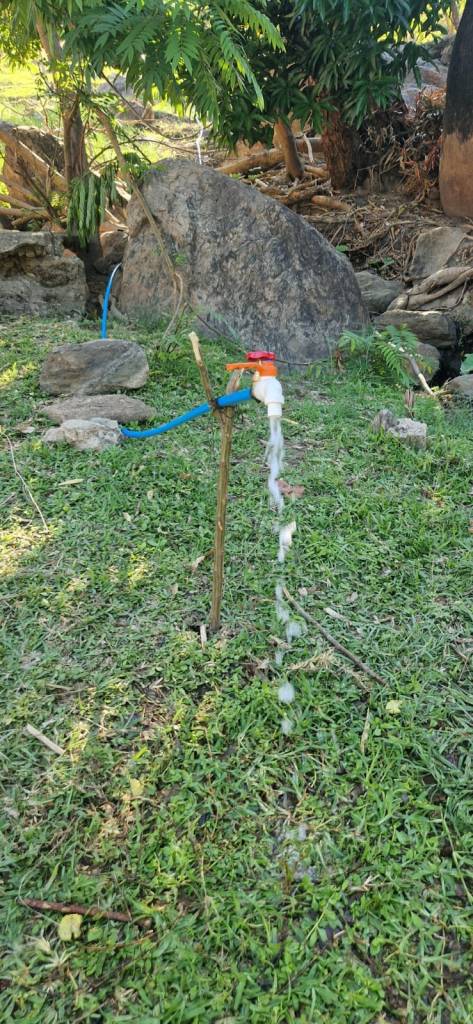
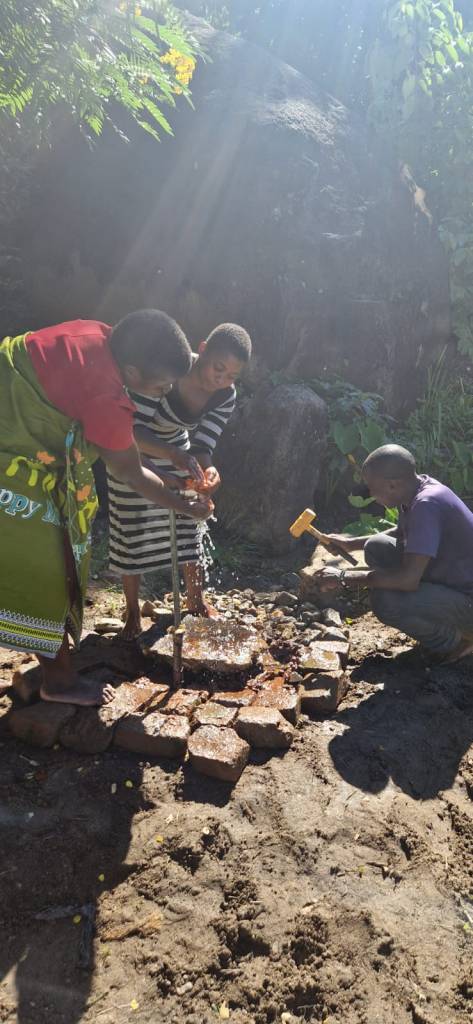
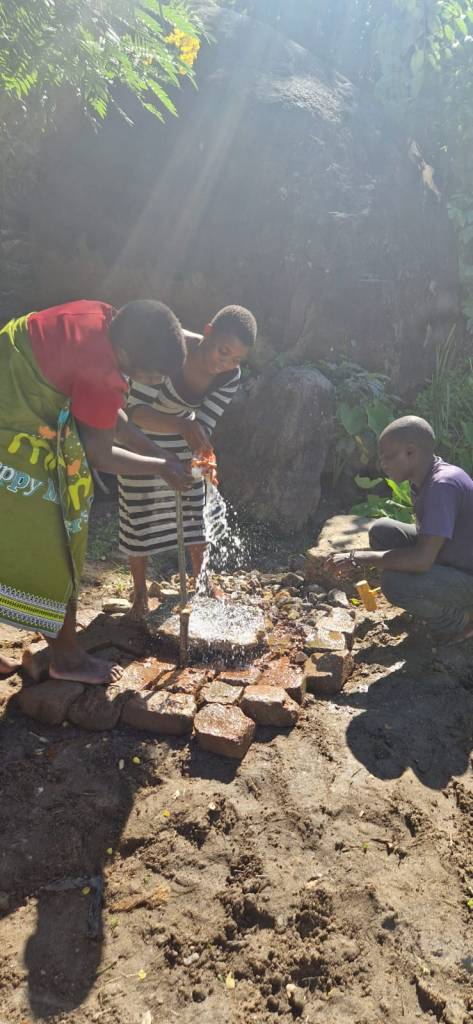
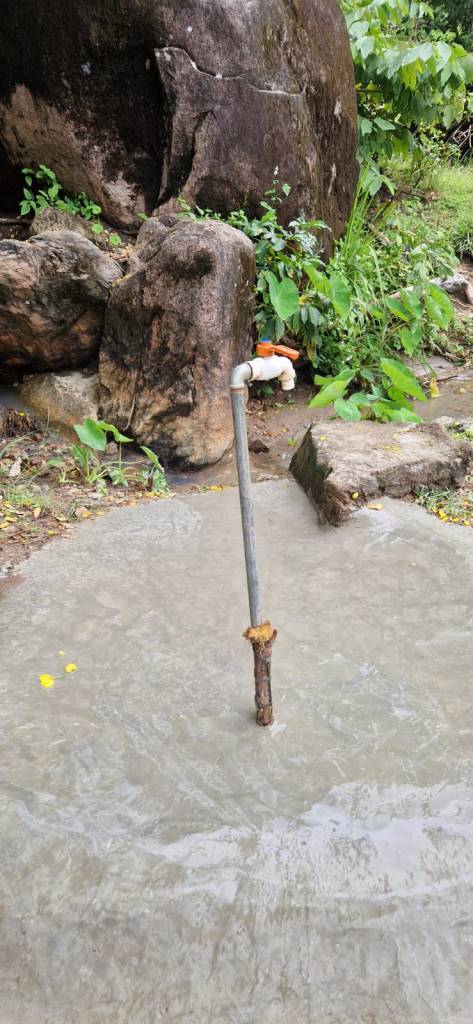
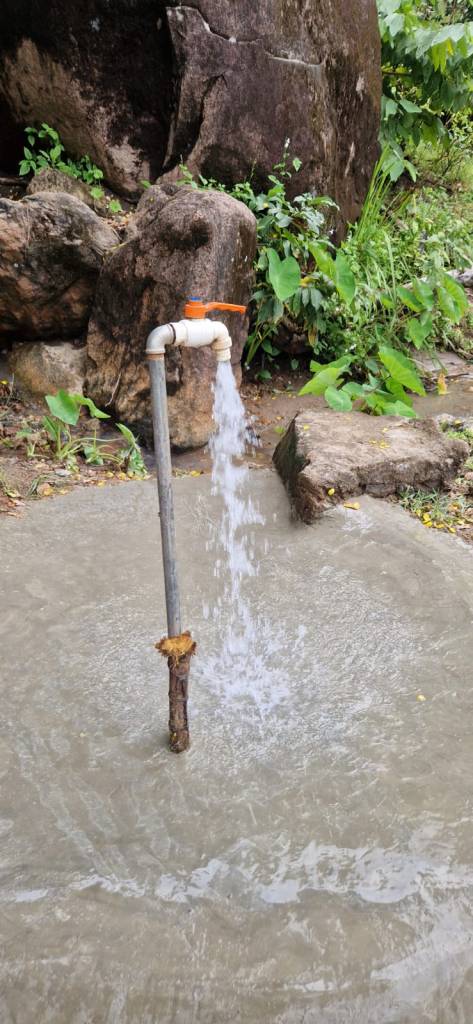
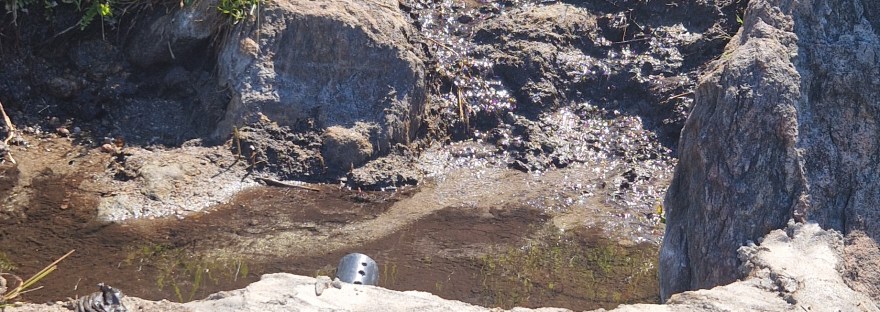
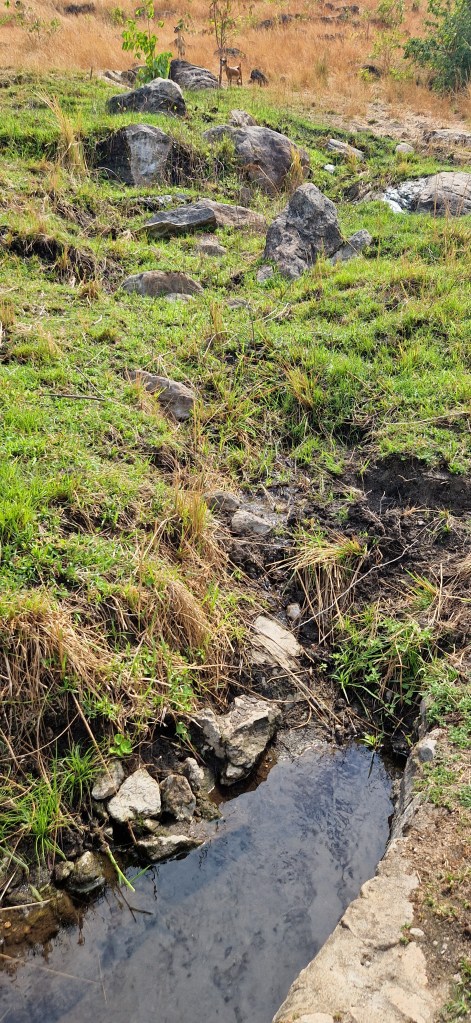
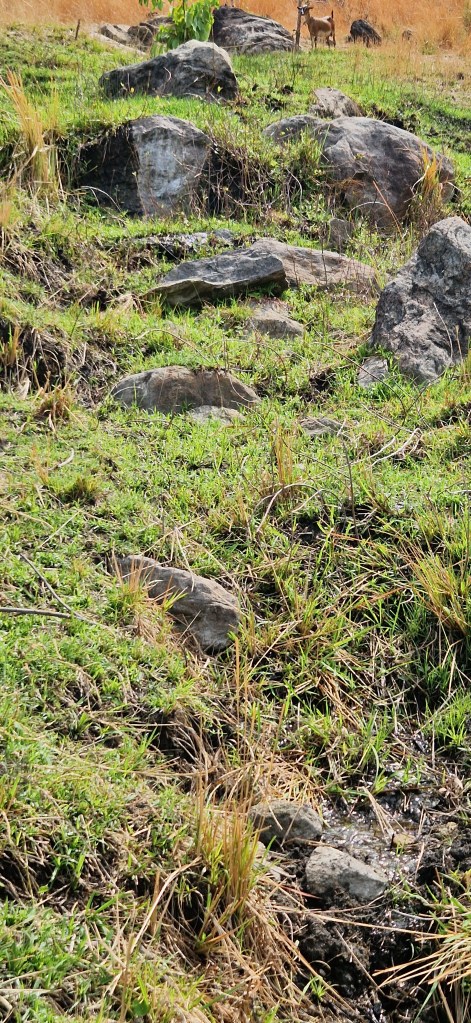
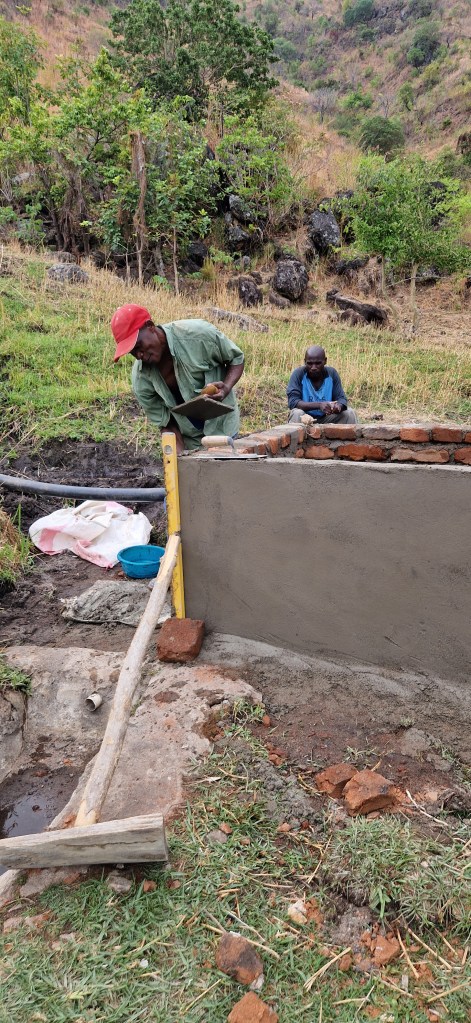
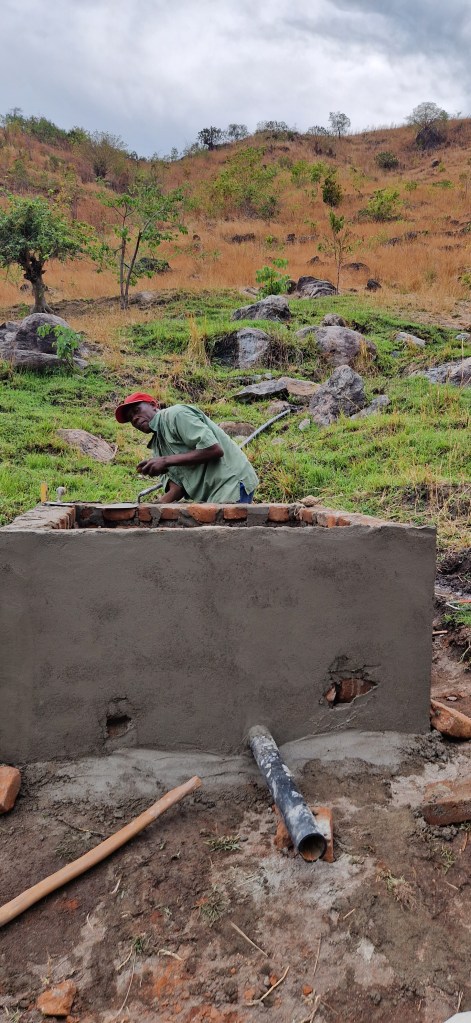
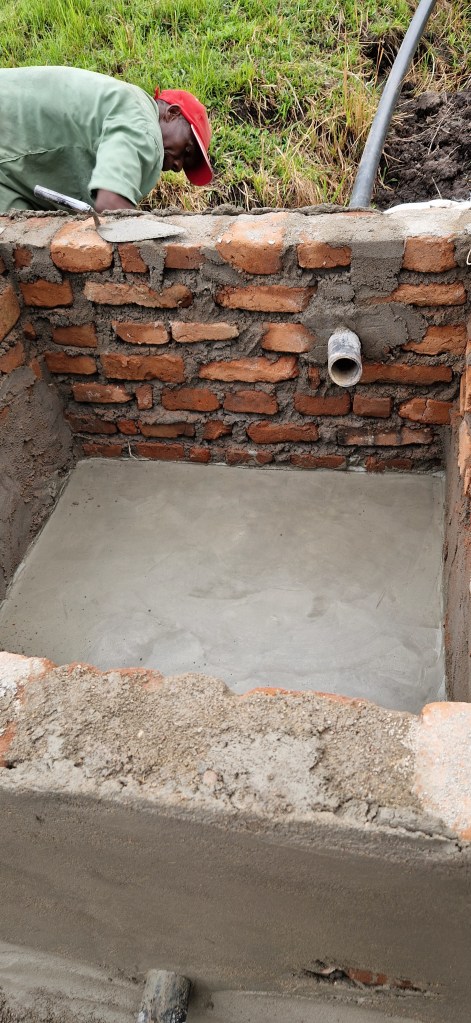
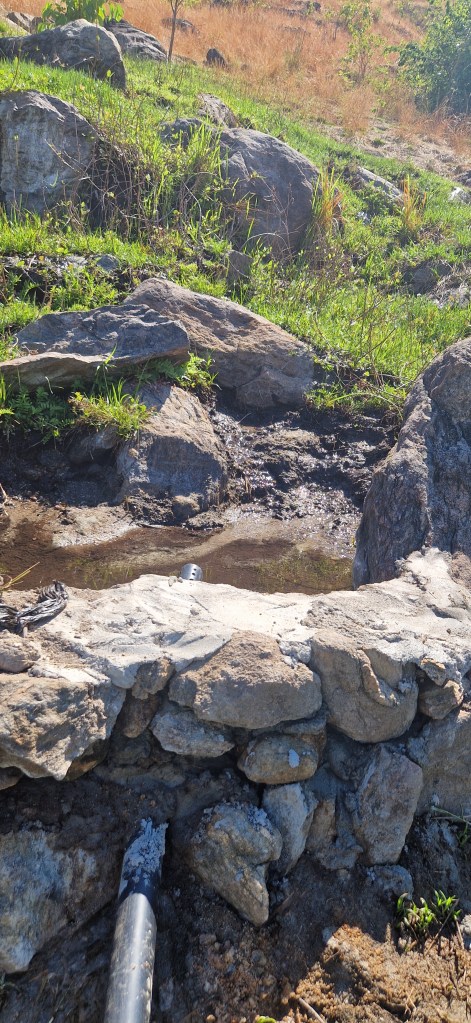
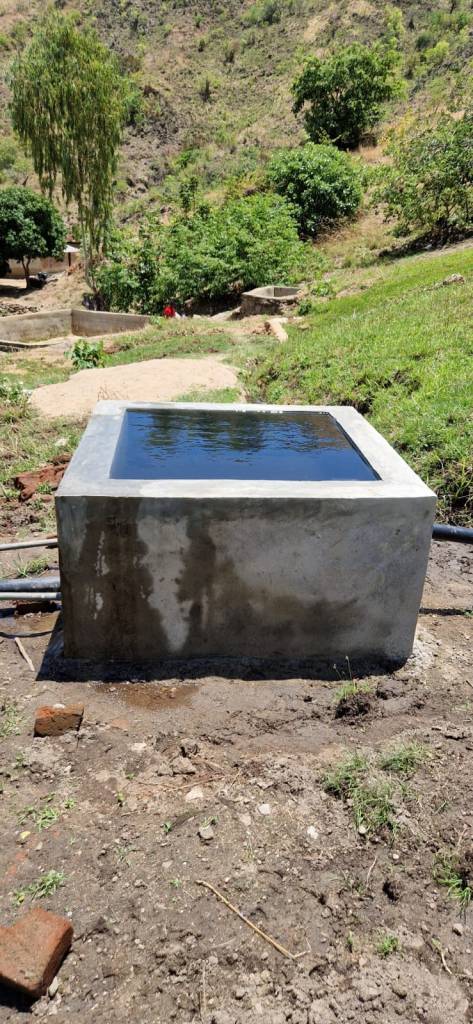
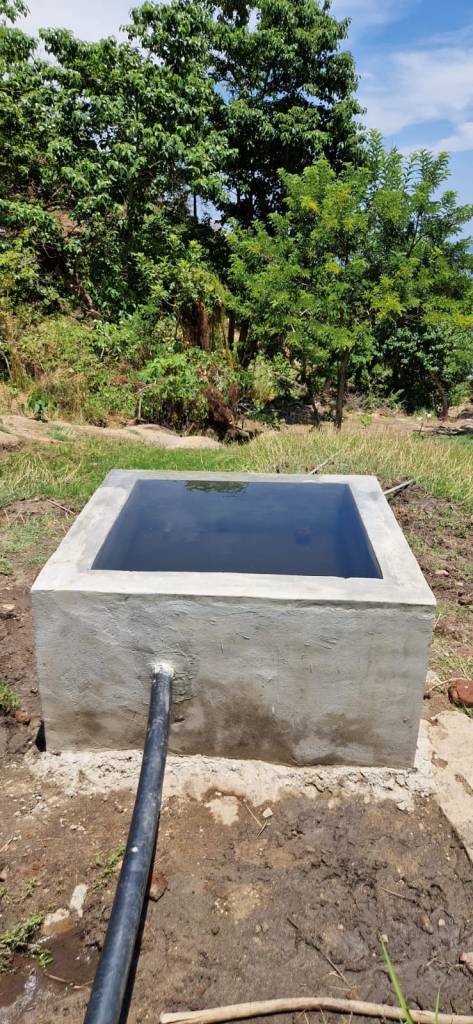
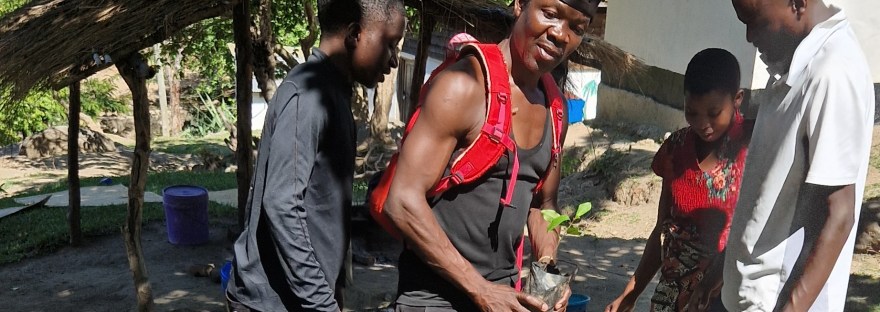
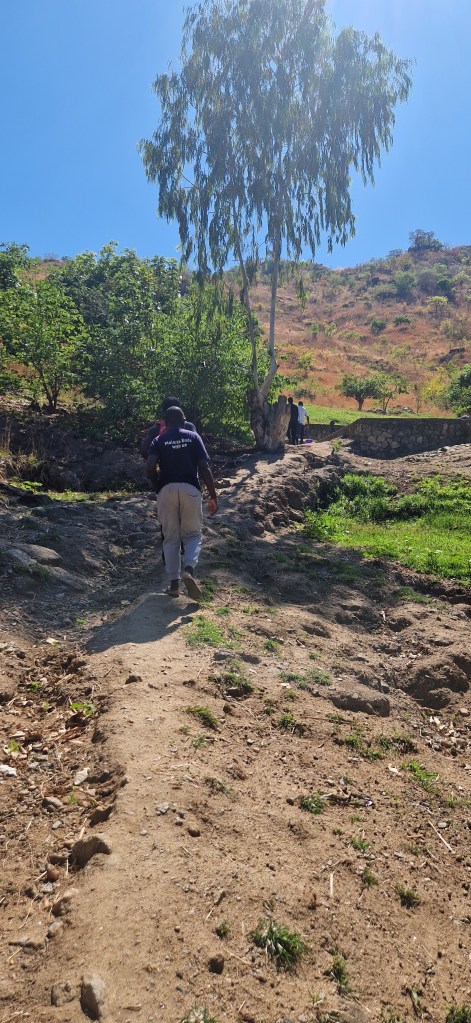
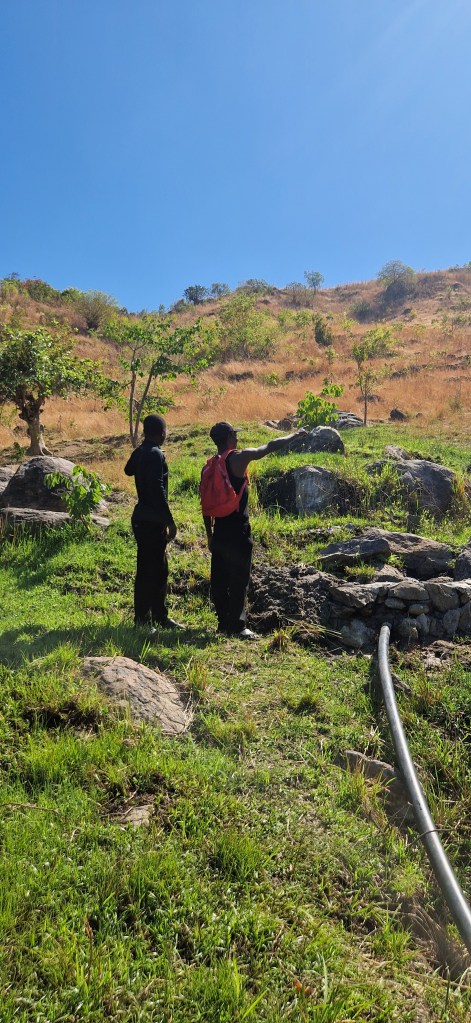
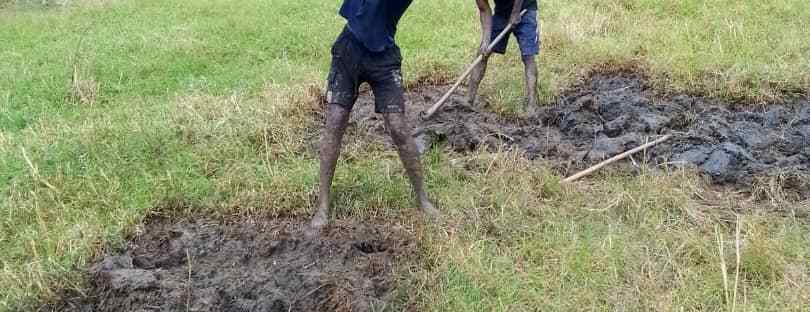
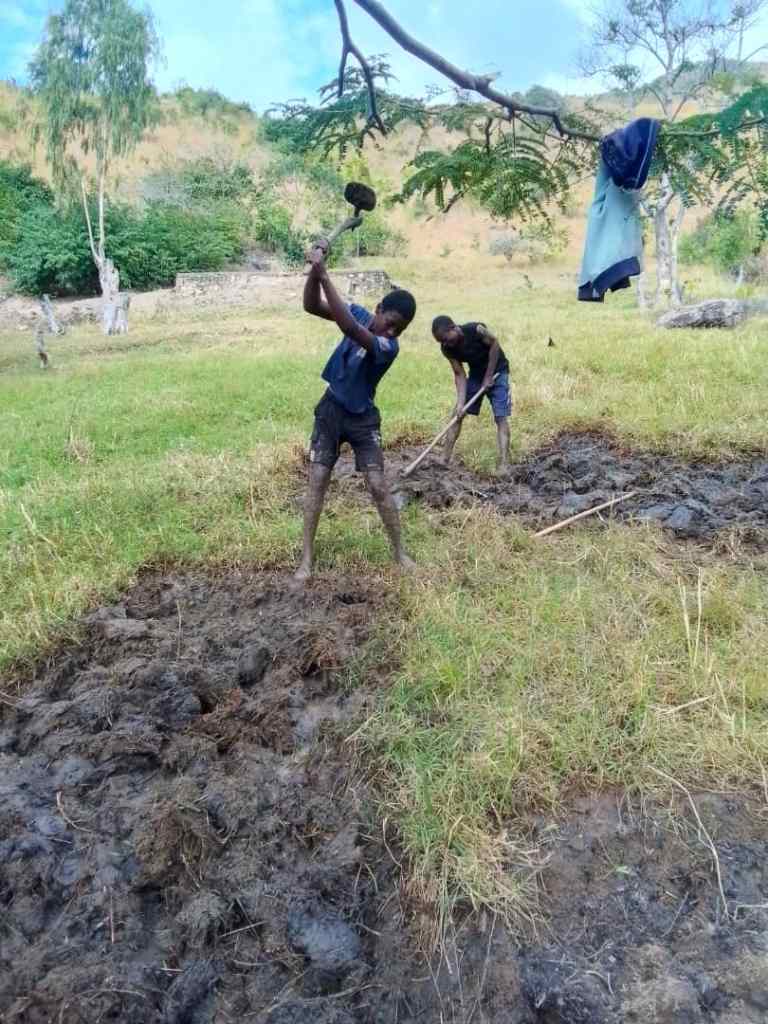
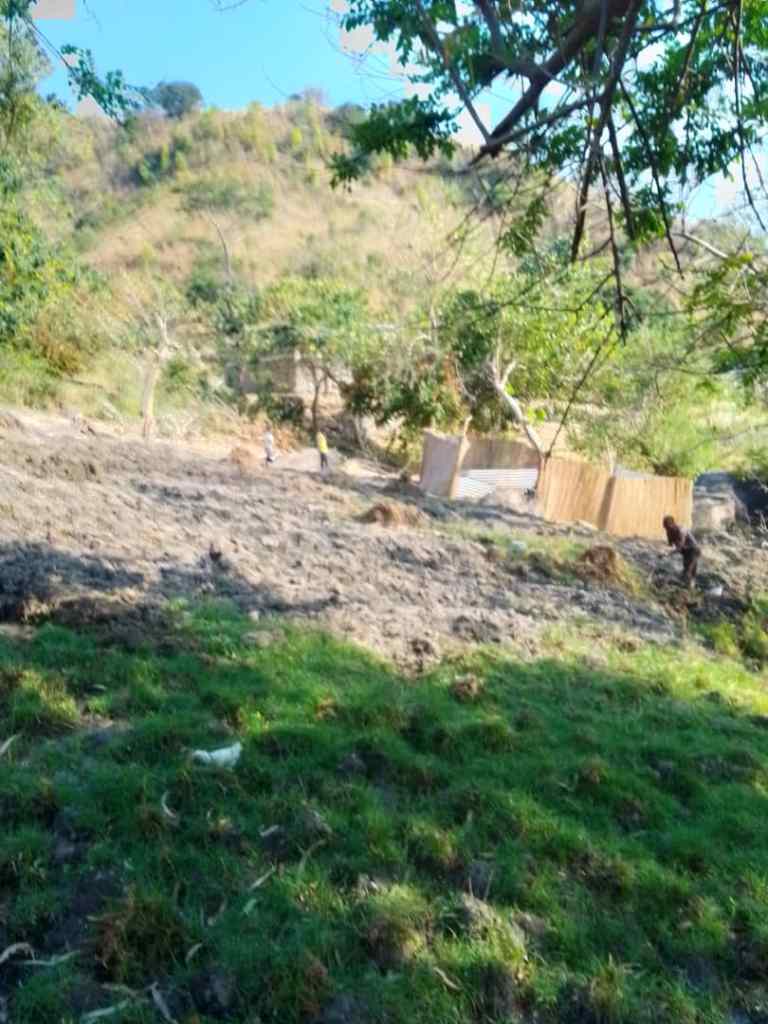
Following last year’s improvements to the spring above Nyumba ya Masambiro, and the installation of a standpipe for the staff and community to be able to collect water, a cement slab has been created at the site of the standpipe. The slab makes it easier for collection of water as well as channelling any run-off into the stream to stop it from flowing through NYMs campus.
The standpipe allows many community members to collect water from a clean source nearer their homes, and saves them the journey down the valley to the lake and back to collect water.
We are delighted that it draws more community members to the centre, who stop by and chat with the staff and access our facilities as they go about their daily lives.
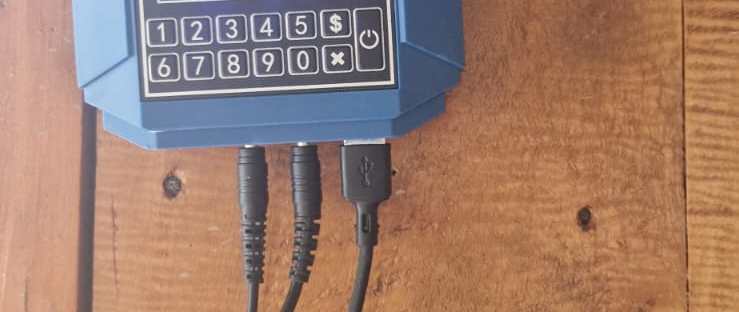
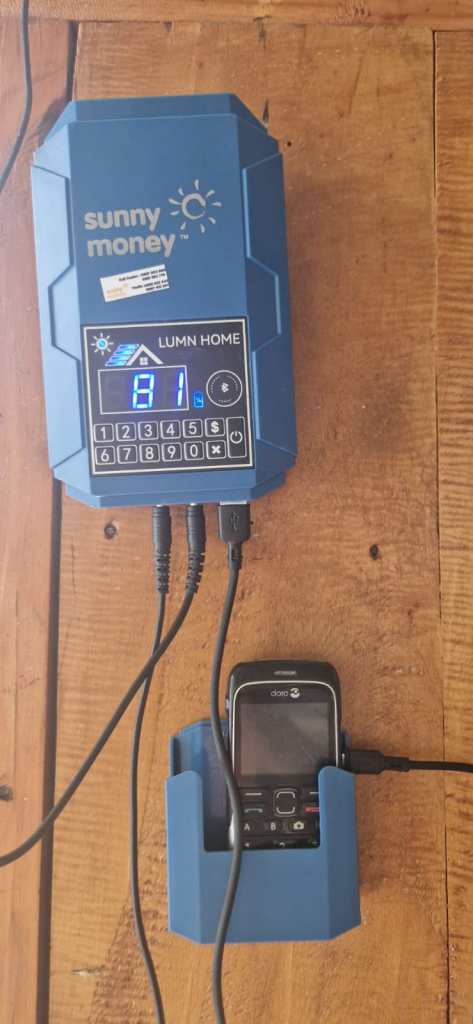
Following the recent instability of ESCOM (Electricty Supply Corporation of Malawi – The Malawian electricity supply company) the power situation at Ruarwe health centre has become very insecure, which is a problem, especially for managing emergency patients overnight. A small solar backup set with 4 lights was in place, but this wasn’t a sufficient circuit to light all the necessary rooms and spaces at the clinic.
Phunzira, through NYM, has donated a second solar backup light circuit with 4 additional lights to ensure a good light source in times of ESCOM black-outs. Both circuits also have the ability to charge one device at a time via USB connection, meaning that during the day, when the sun is bright, staff can also charge their mobile phones to be able to remain in contact with their superiors in Nkhata Bay, as well as manage research and reporting all of which is done online through mobile phones.
We hope that this additional backup system will resolve the power issues currently faced at the clinic, to keep patients safe and the staff well connected.
Nyumba ya Masambiro has always been lucky to have good access to water, despite being up the valley from the lake. A natural spring, which flows year-round, even in the dry season, is situated at the top of NYM’s land.
During Covid, this spring water was channelled into a small settling pond and then piped to the Health Centre, just next door to NYM to allow for easy access to clean water that the facility. The remainder continued to flow towards NYM for the needs there.
This December, a team from the NYM staff, the health centre staff and some experts from the community centre worked together to rechannel the water. A fresh concrete reinforced settling tank was built, as well as a water tank able to hold approximately 1,000litres at a time. Pipework was installed to pipe the water from the storage tank direct to both the health centre and a newly installed stand pipe at Nyumba ya Masambiro.
The new system better preserves and channels the water to both institutions, allowing for cleaning, flushing toilets and showers at the health centre and a constant supply of water at NYM, which many community members who live up the valley away from the lake come to use on a daily basis.
The trees planted by the EARTH Workshops team from Nkhata bay will continue to preserve the spring as a water source for years to come, and a bamboo fence protects the water source from roaming and grazing animals, keeping the water source clean and safe.
Nyumba ya Masambiro was delighted to welcome back Thom and Maxwell from the EARTH Workshops programme at Butterfly Space in Nkhata Bay. While they had primarily been invited by local farmers and gardeners to visit Kwenthu, in the mountains behind Ruarwe and within the NYM catchment area, they came via Nyumba ya Masambiro to maximise the impact of their visit to this remote community.
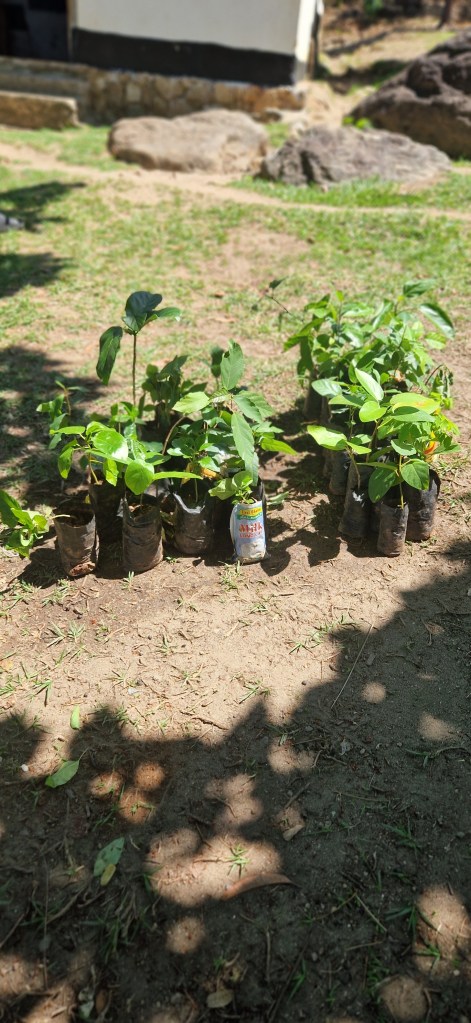
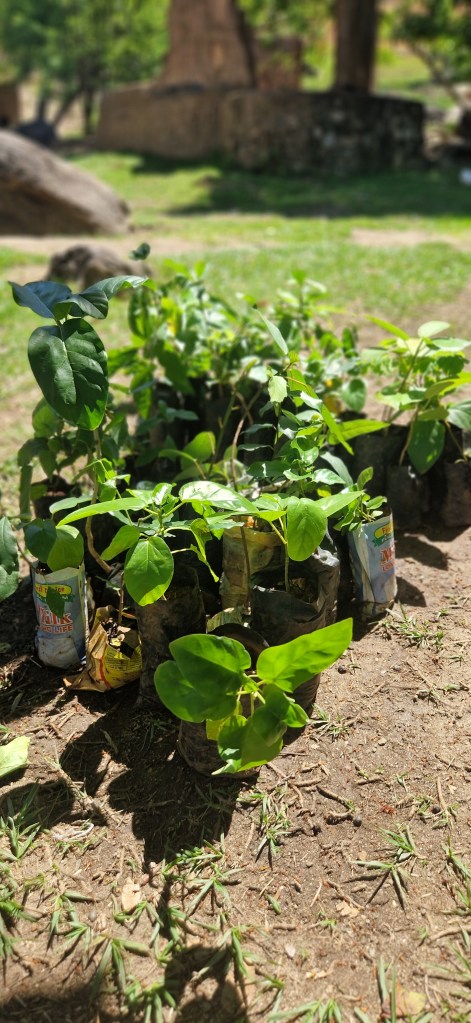
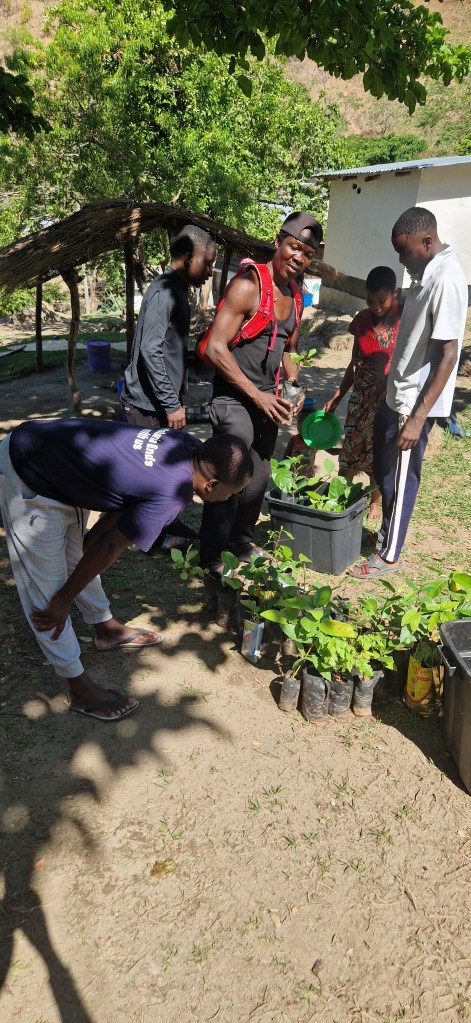
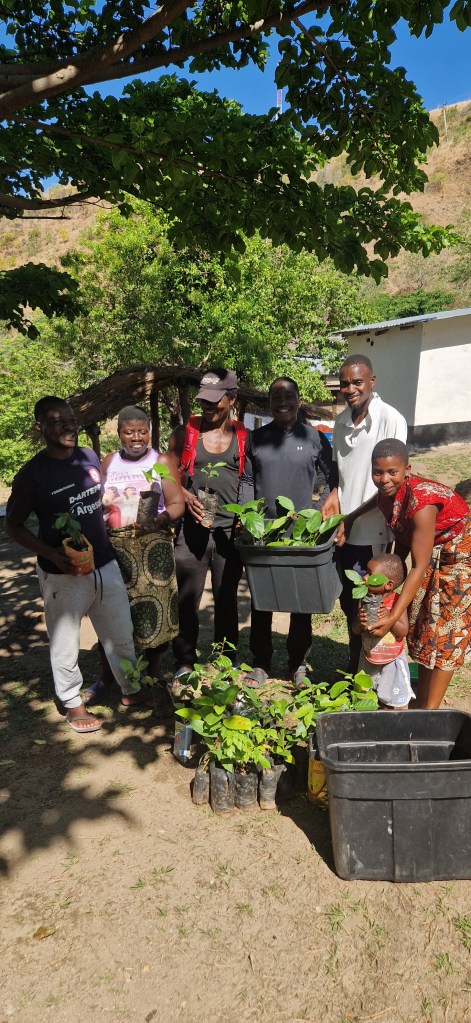
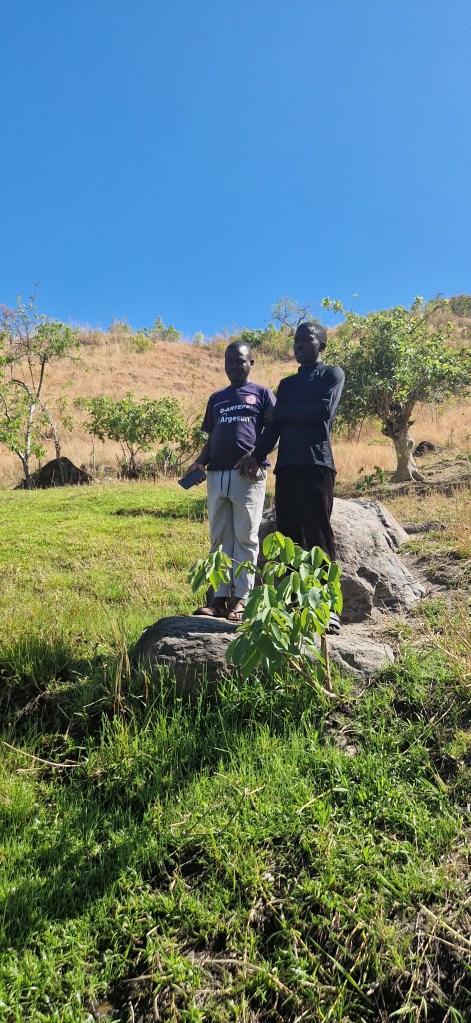
The EARTH Workshops team first ran a refresher training session at NYM for staff and interested community stakeholders. The session focused on water preservation and sustainable land management. As part of the training, they brought 50 seedlings of indigenous trees and fruit vines to be planted on and around NYM’s land.
Several of the indigenous tree species were specifically selected for their deep tunnelling root systems, which play a vital role in water management. Together, the group planted some of these trees around the natural spring just above NYM’s land. This spring provides year-round water to both Nyumba ya Masambiro and the health centre next door. The trees’ deep roots help create channels down to the water table, drawing water upwards and helping to ensure the spring continues to flow even during the dry season. In addition, their roots stabilise the soil on the hillside, while their branches and broad leaves provide shade to reduce water loss through evaporation.
Following the session at NYM, Thom and Maxwell travelled uphill to Kwenthu to lead a two-day follow-up workshop with local farmers. The farmers had attended training last year and specifically requested this return visit to reinforce lessons learned and to discuss challenges they had encountered while implementing new techniques. It was encouraging to see such commitment to sustainable farming practices within the community.
The remaining seedlings will be planted around the spring and across NYM’s land once protective fencing has been secured to guard against goats and pigs. We look forward to many more years of clean, clear water flowing from the spring as a result of this important work.
A huge thank you to the team from EARTH Workshops for making the journey to Ruarwe and for so generously sharing your knowledge and expertise with our community.
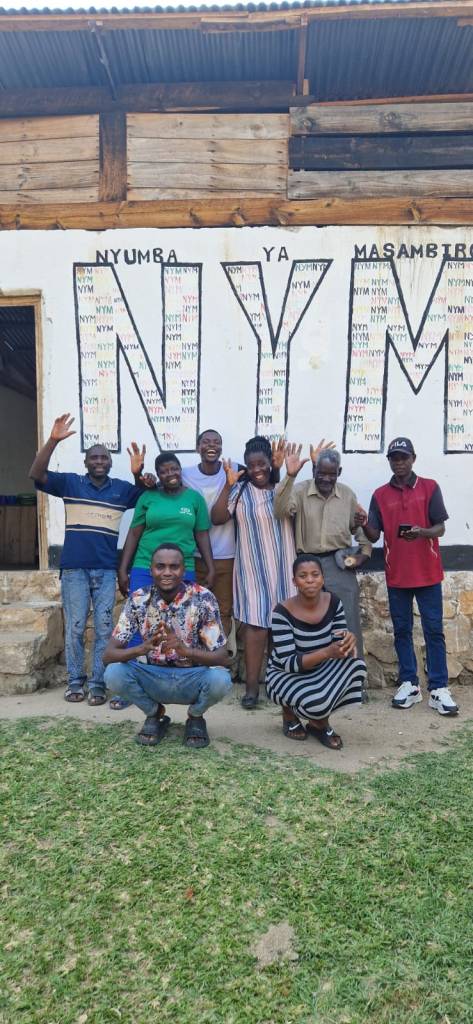
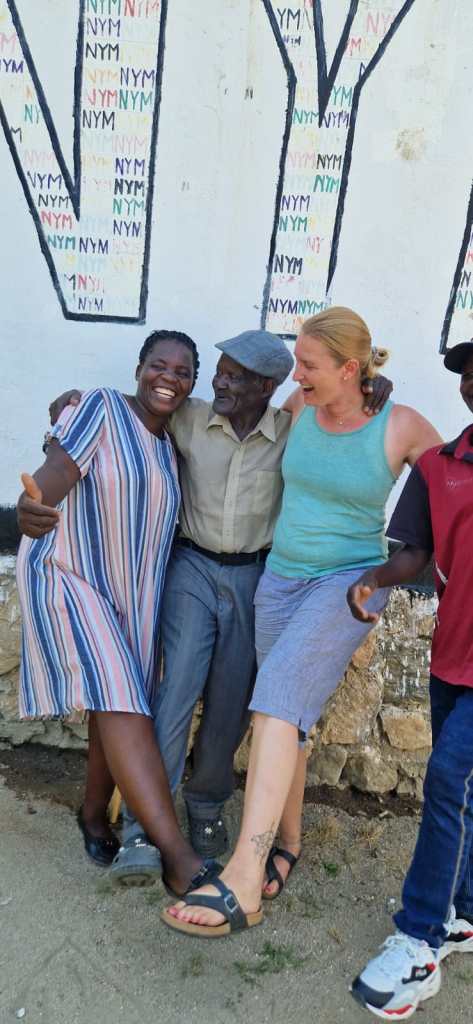
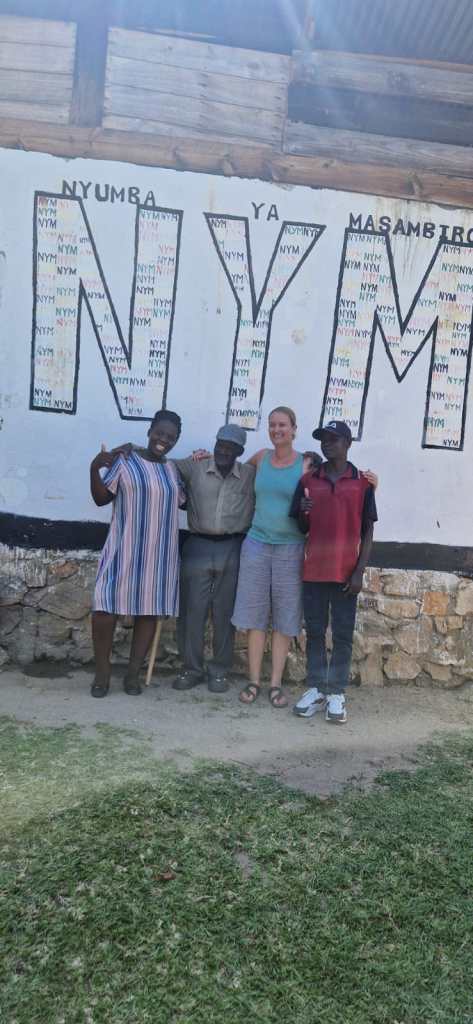
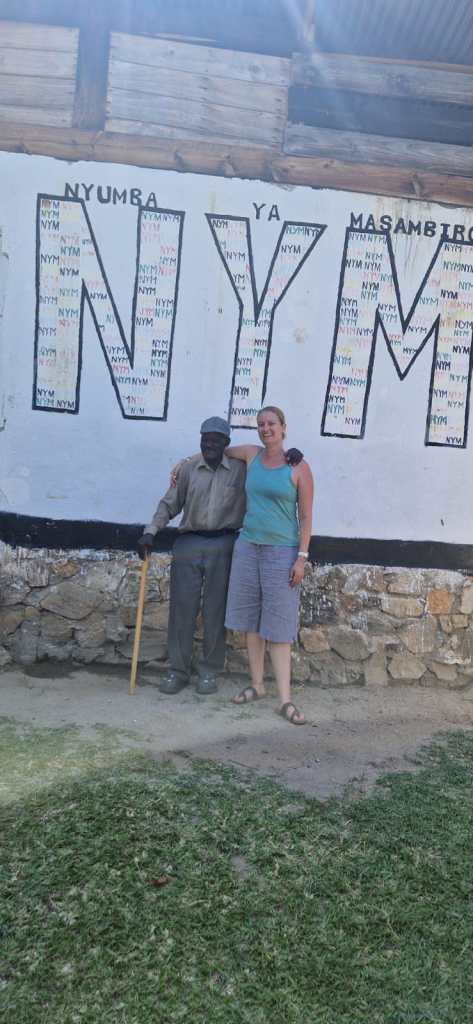
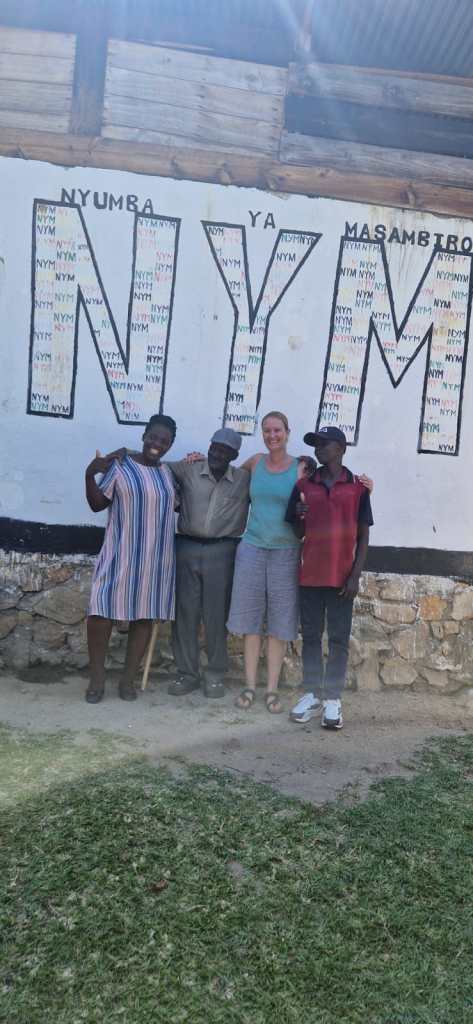
It is with enormous gratitude that we have said farewell to the Chair Trustee of Nyumba ya Masambiro. John Chizalero Msuku, known to friends, family and community members as Dada Jolote, tendered his resignation from the Board of Trustees at Nyumba ya Masambiro after almost 10 years of service to enter his well-deserved retirement.
Dada Jolote has guided the board as Chair Trustee with a steady hand and strong heart. We are so grateful to him for his calm demeanour and strong voice. Protecting NYM and leading it with the benefit of the whole community at the forefront of all his decisions.
He has supported and championed the work of Nyumba ya Masambiro through the lean times and the successful ones. We are so grateful for his sound council and his patience, and under his guidance NYM has progressed from strength to strength.
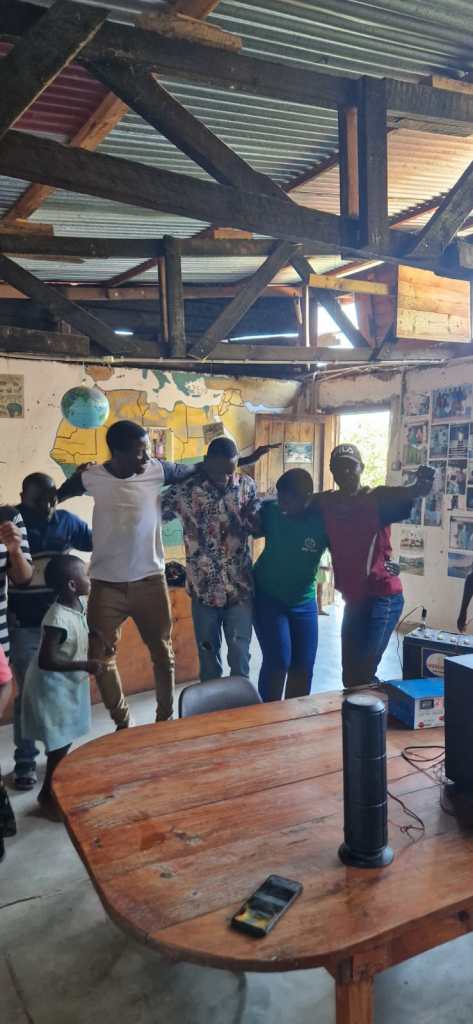
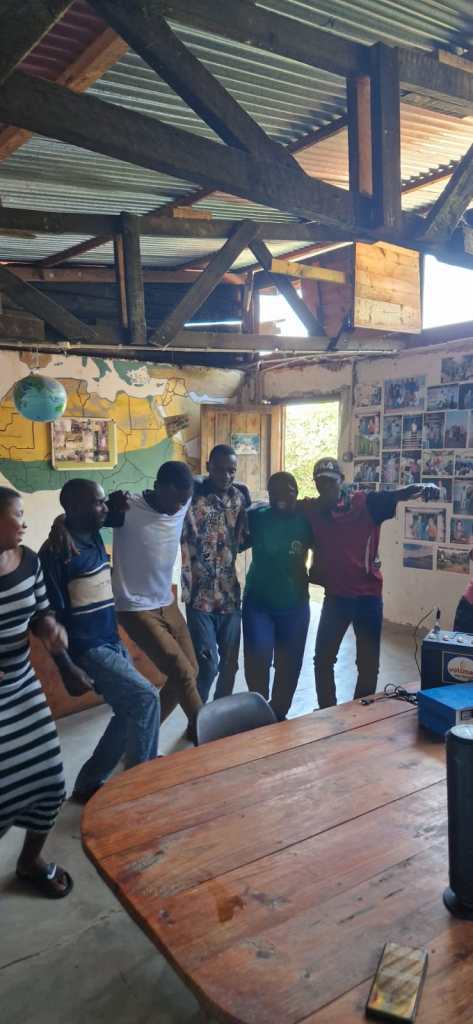
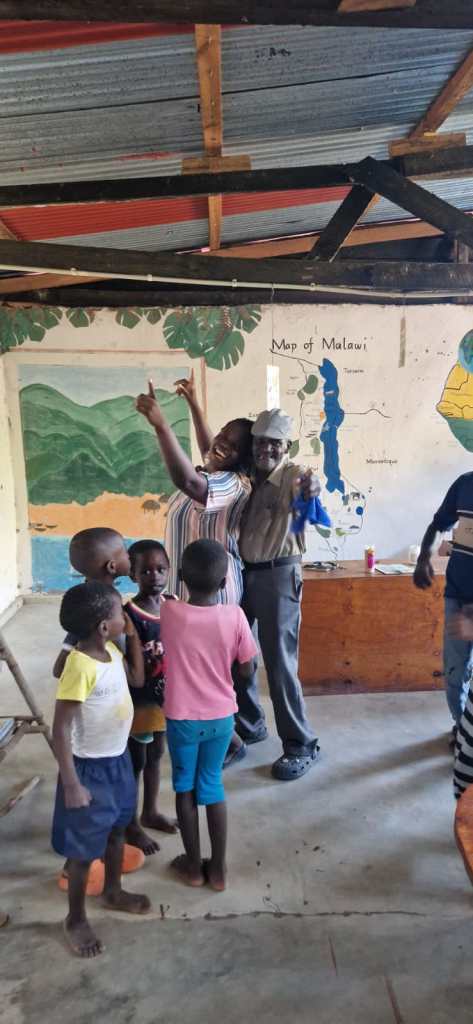
For those who did not meet Dada Jolote, know that his first question when we discussed his retirement meeting and farewell was: “Will there be music? I want to dance!” And so there was! We wish him a peaceful and restful, well-deserved retirement with his family, and all the music he wishes for so that he can dance whenever he fancies!
Dada Jolote, tawonga chomene for all your years of service!! Yewo yewo!!
Medical assistant Paul Kabuzi from Ruarwe health centre has approached Nyumba ya Masambiro with an interesting proposal. Behind the NYM buildings, lies some fresh, fertile land, which has been gardened in the past, but not for the last 5 years or so. Paul proposes to use that land to grow onions, tomatoes, coco yams and more to supplement the available vegetables for the community of Ruarwe. The profits of the sales of these vegetables will then be split between Paul for the labour of farming the land, and a small portion to NYM as rental for the piece of land.
We are delighted with the proposal and wish Paul all the best of luck this coming growing season.
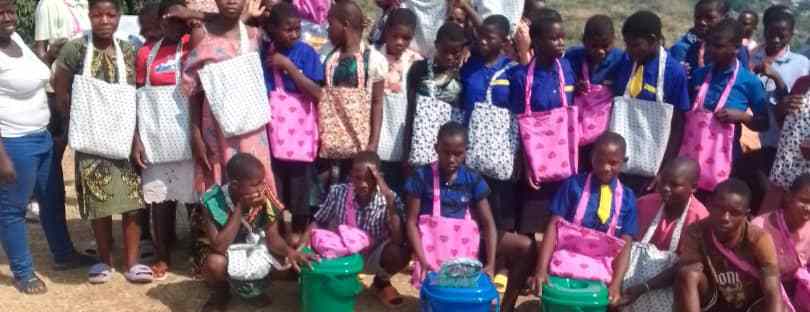
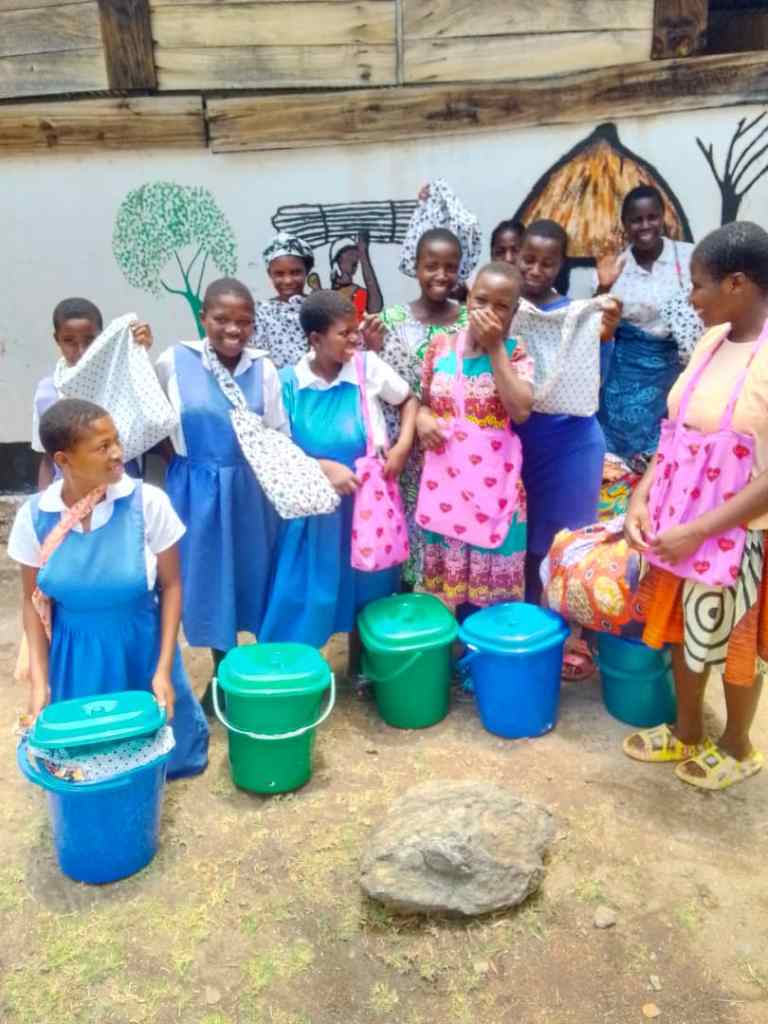
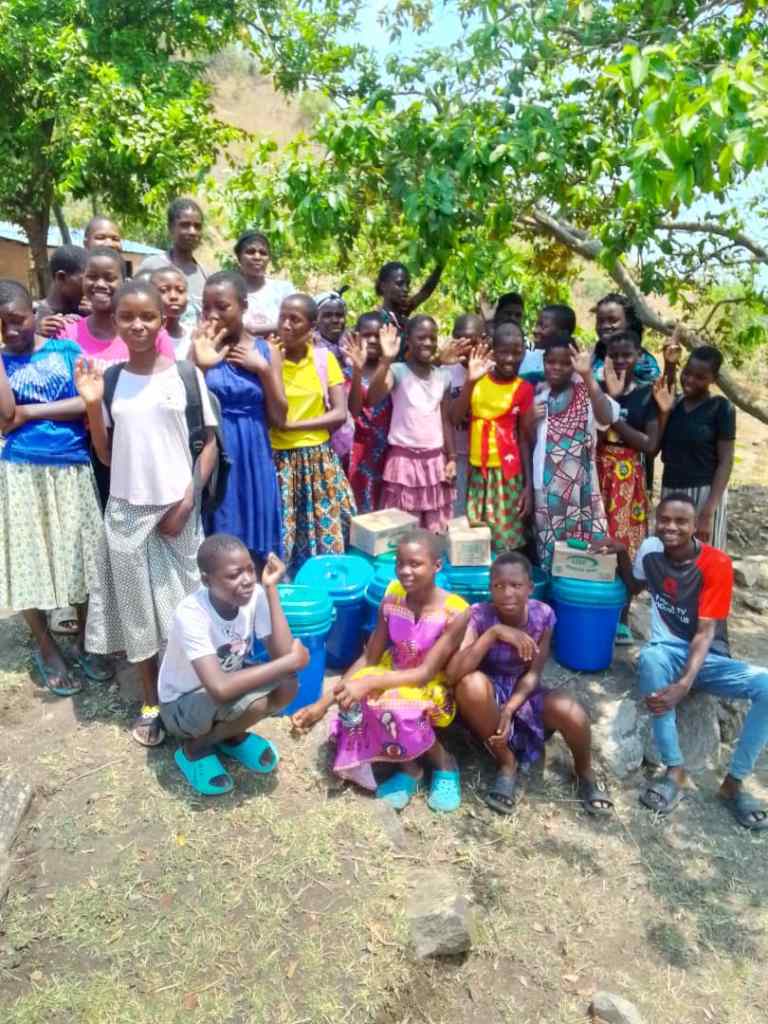
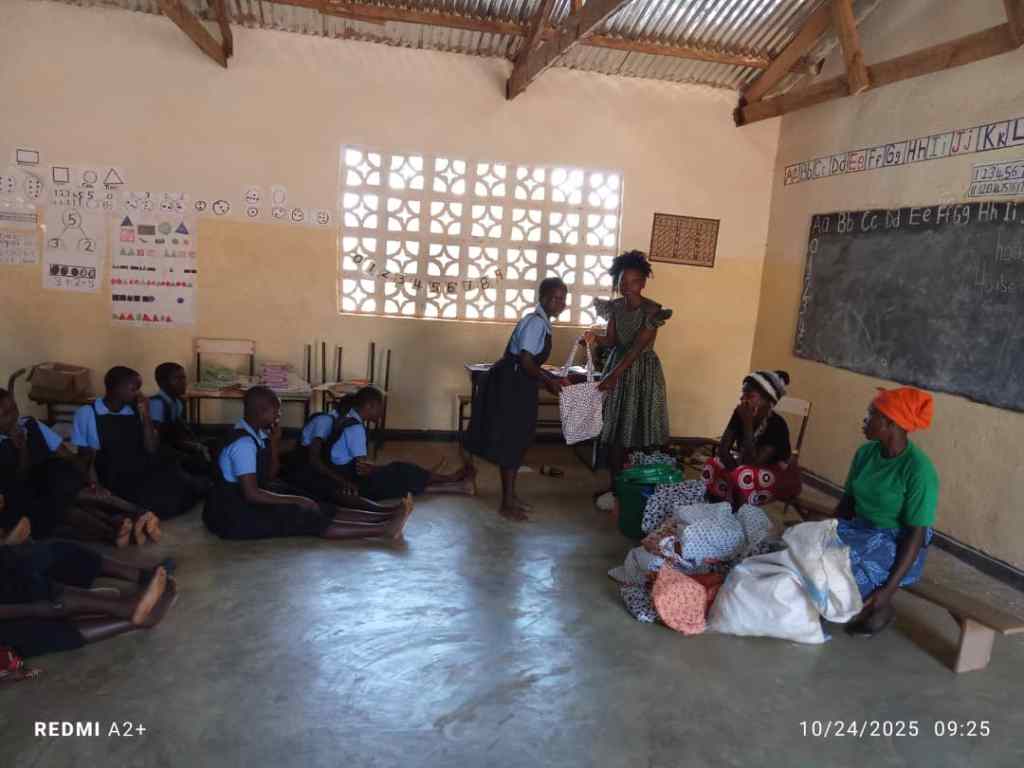
Phunzira is delighted to share the successful completion of Phase Two of our menstrual health and hygiene program in partnership with Supreme Sanitary Pads, a social enterprise based in Nkhata Bay that produces reusable menstrual pads locally.
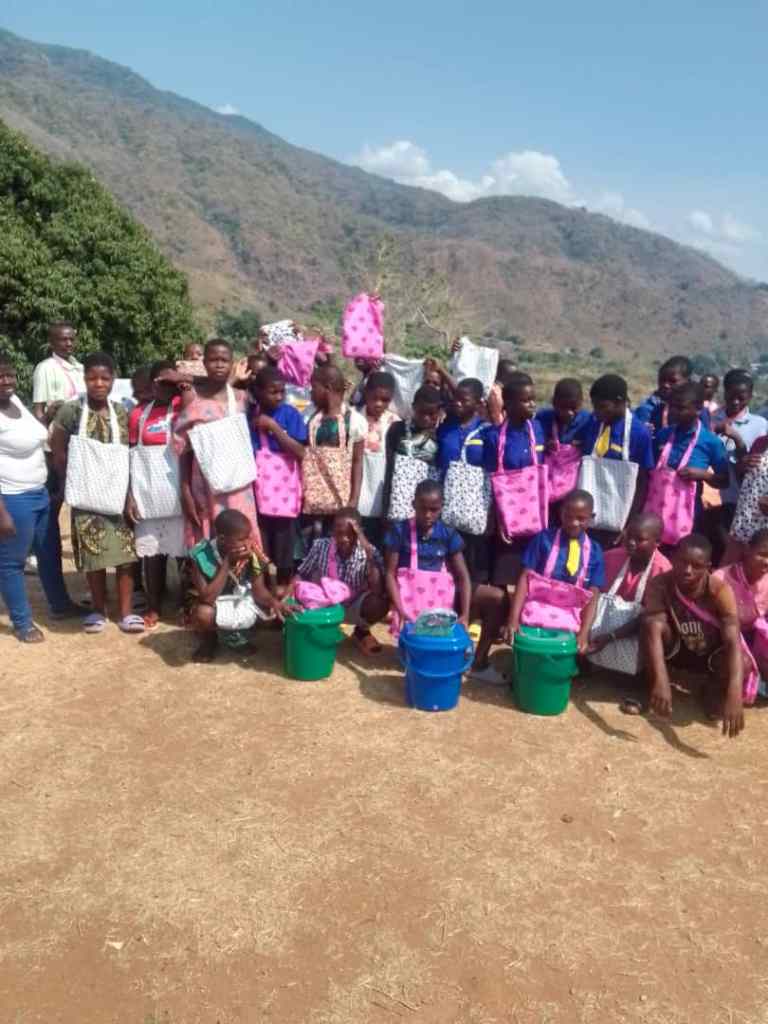
Following the impactful rollout of Phase One in six primary schools within the Nyumba Ya Masambiro (NYM) catchment area, Phase Two has now been delivered to the remaining four primary schools—meaning that all 10 primary schools in the area have now received the education and distribution program.
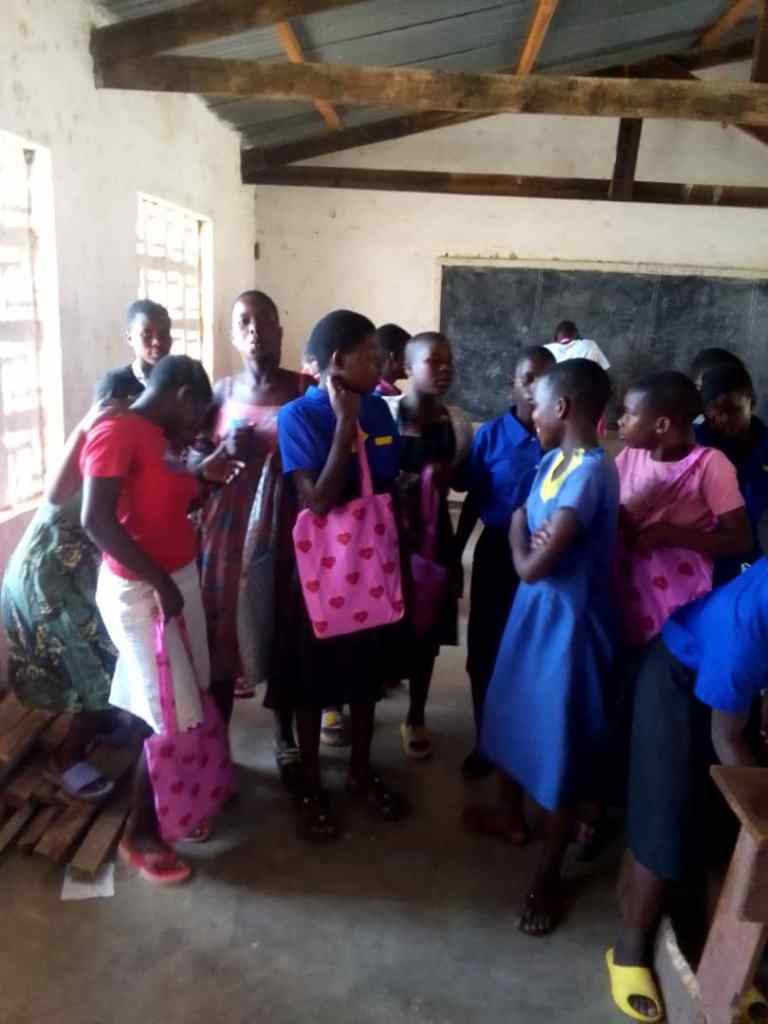
Following the training received in phase one, phase two was taught and rolled out by Stanley and Shidah from Nyumba Ya Masambiro. As in Phase One, the program was delivered to both boys and girls, with a mixture of joint and separate sessions to ensure sensitivity to local customs while actively working to break down stigma and misinformation surrounding menstruation.
In addition to student sessions, local ambassadors from the school mothers’ groups were trained to ensure the sustainability of the program. These ambassadors are now equipped to continue delivering menstrual health education within their schools and communities, strengthening long-term impact.
Each student who participated received a reusable sanitary pad pack containing:
1 lined tote bag (which can also be used as a school bag)
5 reusable sanitary pads
2 pens
2 pencils
1 exercise book
1 eraser
1 pencil sharpener
As before, boys participating in the program were encouraged to pass the sanitary pads to sisters, mothers, or friends who could benefit from them—fostering understanding, support, and shared responsibility.
Each pack provides enough reusable pads to manage a monthly period, with pads lasting up to two years when properly cared for. The packs also include educational guidance on menstrual hygiene and safe usage. By providing a reliable, washable, and long-lasting alternative to disposable products or chitenge rags—which are commonly used and highly prone to leaks—the program helps ensure dignity, comfort, and significantly reduces the risk of school absenteeism during menstruation.
With the completion of Phase Two, this initiative has now reached every primary school within NYM’s catchment area—marking a major milestone in our mission to make education more inclusive and equitable.
Supreme continues to operate as a true social enterprise: every purchase supports local employment and reinvests profits into the business and further educational outreach. We are proud to continue working alongside them to address menstrual health challenges, break stigma, and help girls stay in school.
This achievement represents a significant step forward for the Ruarwe community. We now look ahead to finding the funding with the view to expanding the program to the two secondary schools in the area and to continuing menstrual health education for future cohorts of students.
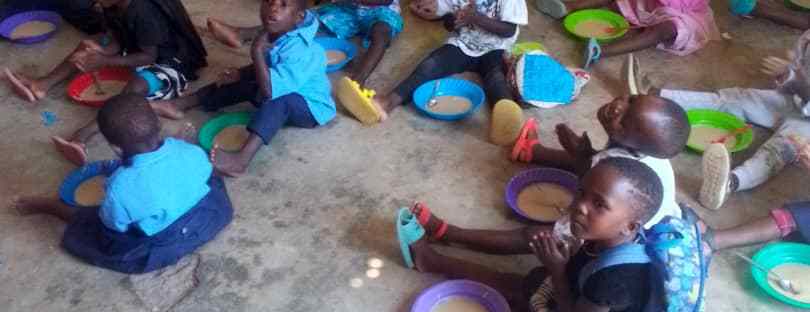
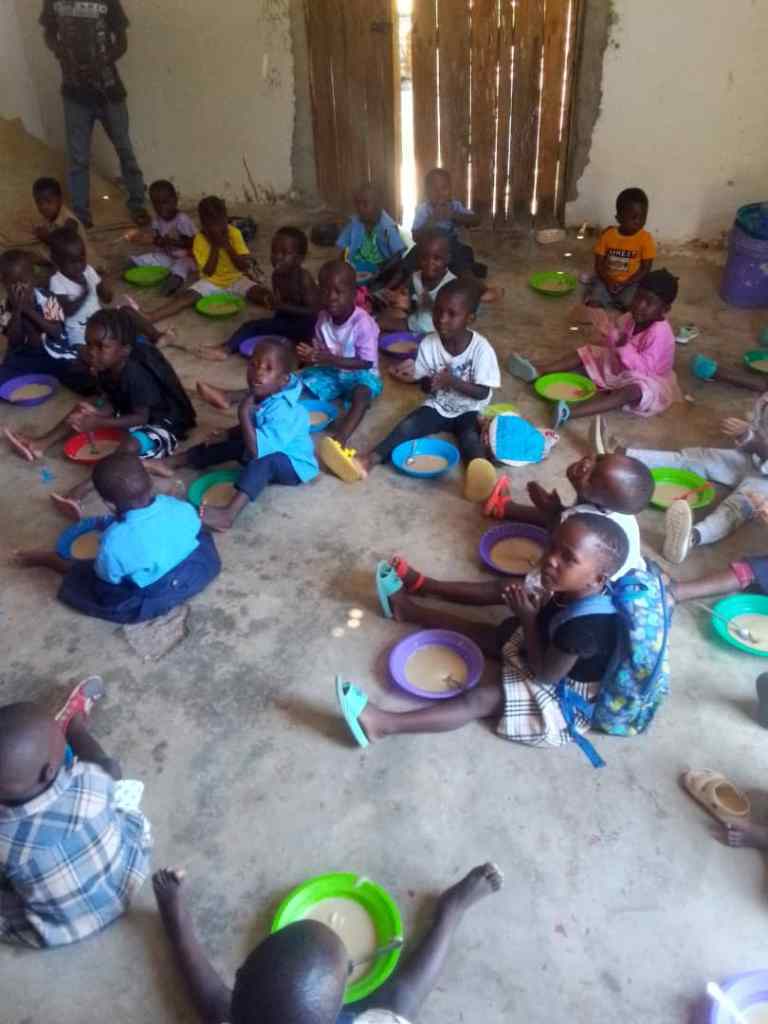
We are delighted to announce that in this academic year, 2025–2026, Nyumba ya Masambiro’s nursery school has 35 children enrolled – the maximum capacity.
Over the years that NYM has been in place, a number of other nurseries have opened within Ruarwe and the NYM catchment area. However, due to the prohibitive cost of covering both the staff members’ salaries and the porridge meal, these have all closed within a short period of opening. Nyumba ya Masambiro has been able to maintain the nursery as a result of ongoing financial support from Phunzira.
Within the community, there are calls for NYM to open a second nursery class, as there is growing demand for children to attend the nursery at NYM. At present, this would be an unsustainable cost for NYM and Phunzira, but we would be very happy to accept donations towards the nursery and all our other ongoing activities at NYM.
Do get in touch for more information about donating to Phunzira.
We are delighted to share the joyful news of a special collaboration that has connected learners across continents through the power of storytelling.
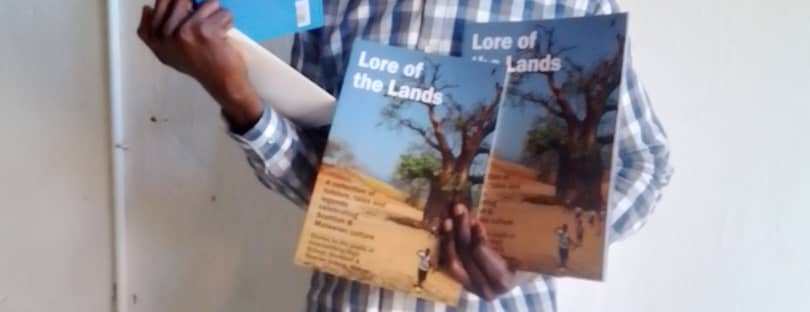
In 2023, two teachers travelled from Inverkeithing, Scotland, to our community in Ruarwe. During their visit, they worked closely with learners at both Ruarwe Primary School as well as youth visitors to Nyumba ya Masambiro to collect and record local stories — tales of daily life, imagination, culture, and hope.
At the same time, back in their own school in Scotland, students were also busy writing and sharing their stories. The result is a beautiful exchange of voices and experiences, bridging communities through creativity and mutual learning.
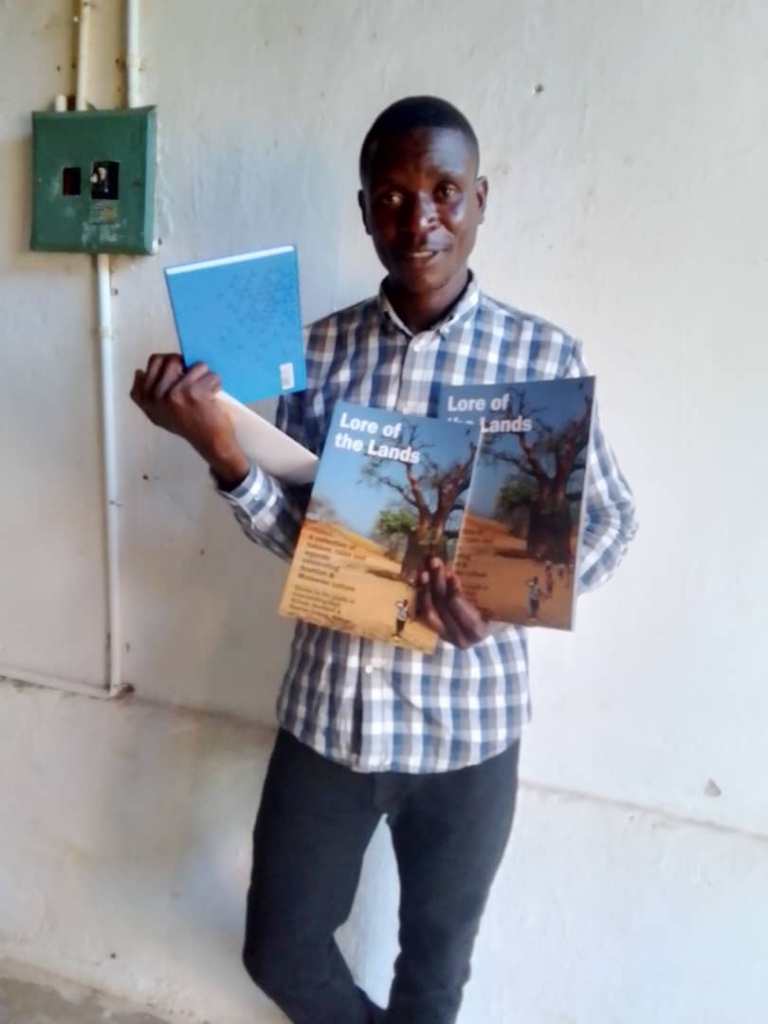
We are proud to announce that these stories have now been officially published into books. Even more exciting, copies of the books have arrived in Ruarwe, where learners can see their words in print and read the stories of their friends in Scotland.
The books are now available at the NYM Library, where community members, students, and visitors are warmly invited to come and read them.
This project is a wonderful reminder that while our communities may be separated by distance, stories have the power to bring us together. We extend our heartfelt thanks to the teachers, students, and everyone involved in making this cross-cultural journey possible.
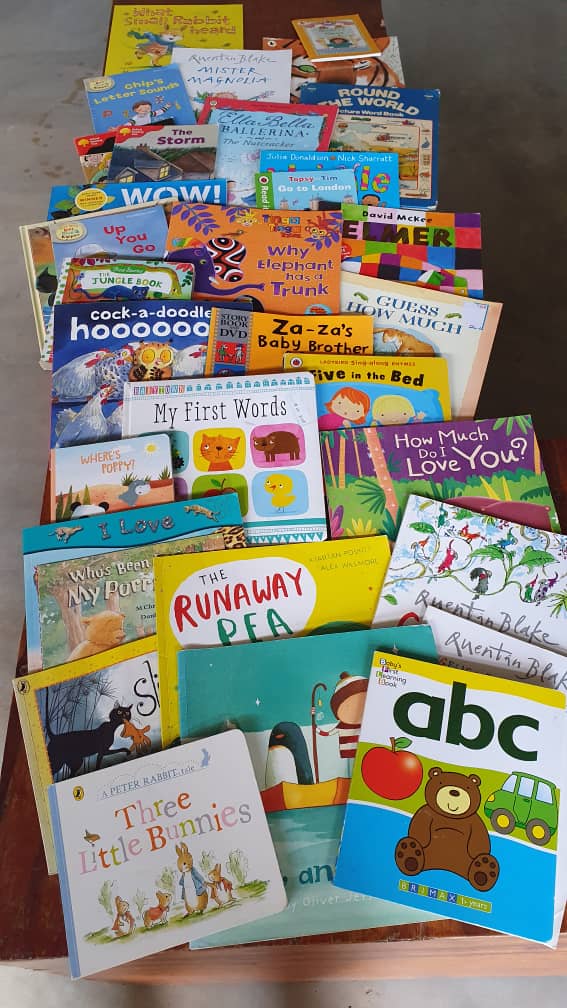
We’re thrilled to announce the donation of over 30 early-reader books to the Nyumba ya Masambiro library, thanks to the efforts of our current volunteers Jeremy and Norma!
From very first A,B,C and early word books to more complex books for children in the first years of primary school, these books will help to spark curiosity, support foundational English and literacy skills, and help young children fall in love with reading from the very beginning.
Early reading is one of the most powerful tools we can give a child. It’s about more than just learning to read—it’s about growing confidence, expanding vocabulary, supporting cognitive development, and laying the groundwork for success in school and beyond. Children who have access to engaging, age-appropriate books are far more likely to thrive both academically and socially. Children from the community frequently ask to come and read with volunteers in order to improve their understanding and English language skills. It is wonderful to have a new supply of books, which children can read both independently and with any volunteers at NYM.
The books donated by Jeremy and Norma will make a big difference for the young learners who visit the library each day. A huge thank you to them for taking the time and energy to collect all these incredible books and for bringing them out to Malawi, and to everyone who continues to support this journey. Together, we are creating a space where reading is celebrated and learning never stops.